3,103 reviewsof the Weight Doctors® Group · 97% recommendation rateGuide · 9 min read

I want to lose weight but can’t medical reasons

You eat more mindfully, keep trying again and again – and the scales hardly move. There is often more behind this than a lack of discipline. Which medical reasons can slow down weight loss and how they can be investigated.

The essentials in brief

  1. Not a question of willpowerObesity is a chronic disease. Hormones, metabolism, sleep and medication can make losing weight considerably more difficult.
  2. Common medical brakesInsulin resistance, fatty liver, an underactive thyroid, hormonal disorders such as polycystic ovary syndrome (PCOS), certain medications and disturbed sleep.
  3. Much can be investigated easilyWaist circumference, blood pressure and a few blood values already provide important clues at the first doctor’s visit.
  4. Finding a cause does not mean finding an excuseKnowing the reason allows you to counteract it in a more targeted way – with nutrition, treatment of the underlying condition and, if necessary, medically supervised obesity therapy.

Personal consultation

Curious to know more?

Simply leave your contact details here. Our team will get back to you as soon as possible.

I want to lose weight but can’t – what could be the reason?

“I want to lose weight but can’t”: many patients say this sentence in the initial consultation, often after years of diets, fitness programmes and good intentions. It is rarely due to a lack of discipline. Body weight is controlled by a finely tuned system of hormones, nerve signals and metabolic processes. If this system is thrown off balance, the body works against any weight loss.

Part of this is perfectly normal biology. After every diet, hunger increases and the basal metabolic rate drops. Why diets therefore so often end in the yo-yo effect is explained in the article Losing weight for good after unsuccessful diets. This article is about something else: conditions and influences that can be diagnosed by a doctor – and that you should know about before you start your next attempt.

Predisposition also plays a role. Twin and family studies show that body weight is to a considerable extent influenced by heredity. That does not mean that losing weight is impossible. But it explains why two people with the same diet can gain weight very differently.

Insulin resistance: when blood sugar slows down weight loss

Insulin is the hormone that moves sugar from the blood into the body’s cells. With insulin resistance, the cells respond less well to it. The pancreas compensates by releasing more insulin. A permanently high insulin level promotes fat storage, especially around the abdomen, and can encourage cravings. Over the years, this can develop into type 2 diabetes.

Insulin resistance causes no symptoms for a long time. Signs include a large waist circumference, raised blood sugar or blood lipid levels and high blood pressure. When several of these factors occur together, this is called metabolic syndrome. You can assess your waist circumference in relation to your height with the WHtR calculator.

Insulin resistance and weight loss: what helps

  • Regular mealsBalanced meals with protein, vegetables and fibre make blood sugar rise more evenly than sugary snacks and drinks.
  • ExerciseActive muscles absorb sugar even with less insulin. Even regular walks after meals can help.
  • Weight lossEven moderate weight loss can improve insulin sensitivity.
  • Medical check-upFasting blood sugar and the long-term blood sugar value (HbA1c) show whether prediabetes or diabetes is already present.

Fatty liver: common and often unnoticed for a long time

With fatty liver, the liver stores excessive amounts of fat. The most common form is closely linked to overweight and insulin resistance; experts now refer to it as metabolic dysfunction-associated fatty liver disease (English abbreviation MASLD, formerly NAFLD). It does not hurt and is often only discovered by chance, for example through raised liver values in the blood or during an ultrasound examination.

Fatty liver and overweight reinforce each other: the fatty liver responds less well to insulin, and the metabolism is thrown further off balance. The good news: the liver responds to weight loss. European specialist societies recommend gradual weight loss as the central treatment; even moderate weight loss can reduce the fat content of the liver. If your goal is “losing weight with a fatty liver”, you should have the progress monitored by a doctor, as advanced fatty liver can progress to inflammation and scarring.

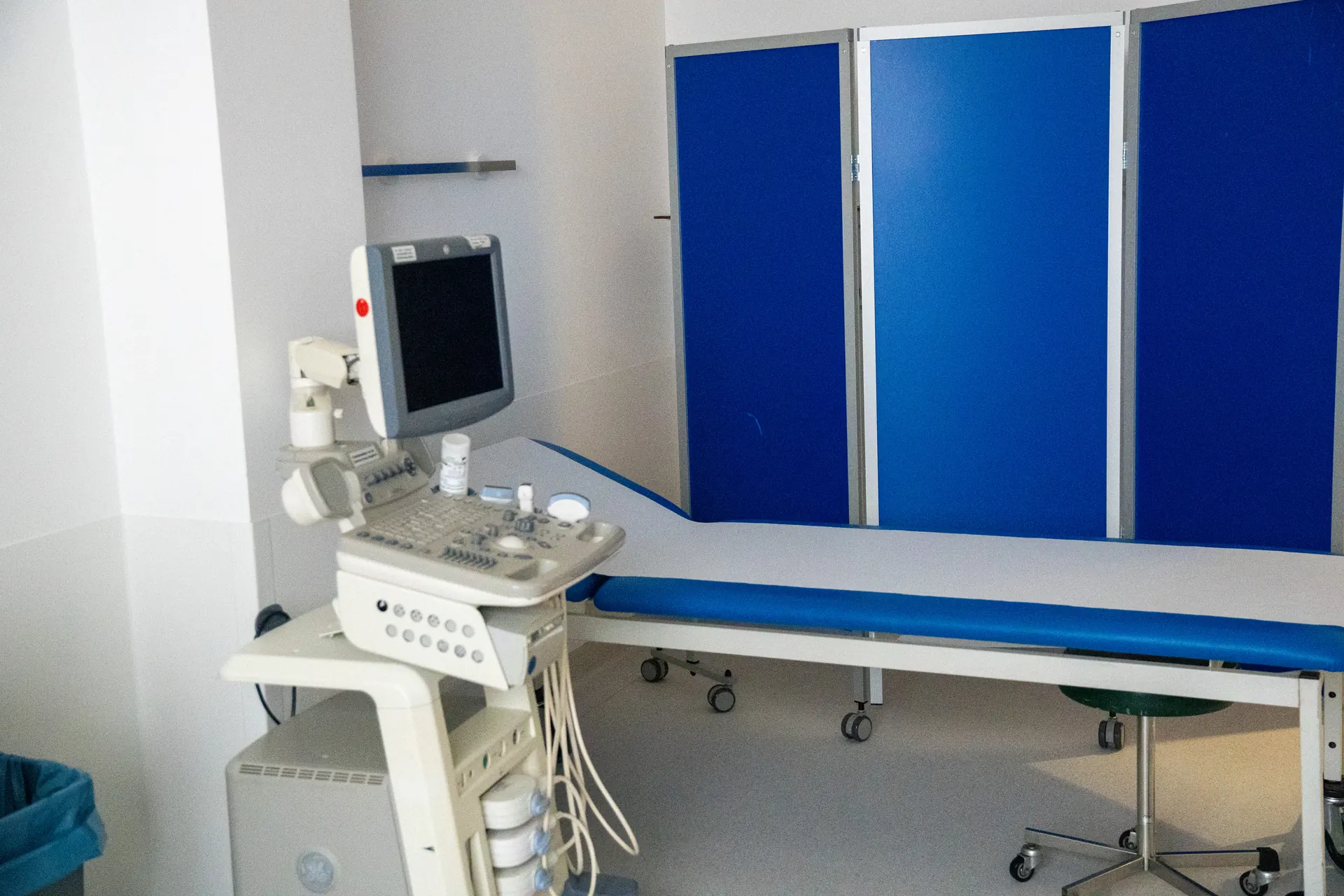
Examination room with ultrasound machine and couch in the Weight Doctors® Nationalklinik

Hormones that influence weight

Underactive thyroid

If the thyroid produces too little hormone, the metabolism runs more slowly. Typical signs are tiredness, feeling cold, dry skin and slight weight gain. A simple blood test (TSH value) provides information. An underactive thyroid is treated with hormone tablets; however, it usually explains only part of the excess weight.

PCOS in women

Polycystic ovary syndrome (PCOS) is one of the most common hormonal disorders in women of childbearing age. Irregular cycles, increased hair growth, blemished skin and difficulty conceiving can be signs. It is frequently associated with insulin resistance, which makes losing weight even harder. More on this in the article on Wanting a child and overweight.

Menopause and stress hormones

During the menopause, hormone balance and fat distribution change; many women gain weight around the abdomen even though they eat no differently than before. Persistent stress also affects appetite and belly fat via the stress hormone cortisol. Very rarely, a pathological overproduction of cortisol is behind it (Cushing’s syndrome); this is specifically investigated if there are corresponding signs.

Medication as a weight brake

Some medications can increase weight or make losing weight more difficult. These include certain drugs for depression and psychosis and some drugs for epilepsy or migraine. Often the medication increases appetite; sometimes it changes the metabolism.

Important: never stop taking a medication on your own. Raise the weight gain with your doctor. There are often alternatives or a different dosage.

Sleep, stress and eating behaviour

Sleep is an underestimated factor in weight loss. People who regularly get too little sleep often have a bigger appetite: studies show lower levels of the satiety hormone leptin and higher levels of the hunger hormone ghrelin with short sleep duration. Loud snoring with pauses in breathing can indicate sleep apnoea. It robs you of restful sleep, puts a strain on the heart and circulation and should be investigated by a doctor.

Eating behaviour itself can also be a treatable cause. Recurring episodes of binge eating with the feeling of losing control can indicate binge eating disorder. It is a recognised condition and can be treated well with psychotherapy. There is no need for shame here – doctors are familiar with this situation.

Personal consultation

Curious to know more?

Simply leave your contact details here. Our team will get back to you as soon as possible.

It doesn’t “click”? When hunger is stronger than your resolve

Many people wait for the one moment when it “clicks” and losing weight finally becomes easy. If it doesn’t come, they look for the fault in themselves. Yet hunger is not a character trait but a biological signal. The hunger hormone ghrelin is produced mainly in the stomach and rises after weight loss; the satiety hormone leptin falls. In this way the body defends its previous weight – sometimes for months. How ghrelin works and how it can be influenced is explained in the article Lowering the hunger hormone ghrelin.

Motivation alone is often not enough to counter this counter-regulation. A more realistic approach is a plan that takes biology into account: fixed meals instead of deprivation, support in everyday life and, if needed, a medical treatment that targets hunger and satiety.

Put into honest perspective: what tests can do – and what they can’t

Not everyone has a single abnormal value. More often, several influences work together: predisposition, hormones, sleep, stress, medication and the consequences of previous diets. An examination is still worthwhile, because treatable causes such as an underactive thyroid or undiagnosed diabetes should not be overlooked. And related conditions help determine which treatment is an option.

If you gain weight rapidly for no apparent reason, if your legs or abdomen swell or if you quickly become short of breath on exertion, have this checked by a doctor promptly. In the event of breathlessness, chest pain or sudden deterioration, call the emergency number 112 immediately.


I need help losing weight – what options are there?

Once it is clear what is slowing down weight loss, treatment can be planned in a more targeted way. Which approach is suitable depends on BMI, related conditions and previous attempts:

  • Nutrition with supportPersonal nutrition coaching helps to adapt meals to blood sugar, liver and everyday life.
  • Medically supervised therapy without a procedureWeight Doctors® GLP-⁠1 pharmacotherapy is generally an option from a BMI of 30, or from 27 if there are weight-related conditions. Whether a medication makes sense is decided by the specialist after a medical assessment.
  • Targeting the hunger hormoneWeight Doctors® hydroGMA is an endoscopic procedure without an incision that targets the cells that produce ghrelin – without medication. It is a new technique and not yet a standard procedure; it is performed at the Weight Doctors® Nationalklinik in Wertheim.
  • Gastric balloon, endo sleeve or weight-loss surgeryWith a higher BMI, procedures that reduce the volume of the stomach – temporarily or permanently – may be an option. The obesity centre page provides an overview.

Results vary individually with every approach. What matters is that nutrition, exercise and aftercare go hand in hand.

Two Weight Doctors® team members laughing next to the purple W wheel of fortune

Consultation

If you would like to know why losing weight is not working, a conversation with experts is a good first step. At Weight Doctors®, specialists look at your medical history, your values and your goals and show you which options are possible – from nutrition coaching to medically supervised therapy. Between appointments, Weight Doctors® Mira answers questions about nutrition, exercise and motivation in the app around the clock. The consultation is available in person, by phone or by video and is 100% no obligation: Book a consultation

Frequently asked questions

Questions and answers

Your question isn’t listed? Your specialist will take time for it during the consultation.

Why am I not losing weight even though I eat little?

The body adapts its energy consumption to a smaller amount of food, and hunger and satiety hormones shift. Medical causes such as insulin resistance, an underactive thyroid or medication can also play a part. A food diary and a medical examination help to narrow down the reasons.

Can you lose weight with insulin resistance?

Yes, but it is often harder. Regular, balanced meals with little sugar, exercise and sufficient sleep improve insulin sensitivity. With every kilo you lose, your metabolism can recover further. With medical supervision, it can also be checked whether drug therapy makes sense.

Does fatty liver regress with weight loss?

Often, yes. The liver responds well to weight loss; even moderate weight loss can reduce the fat content. How far the liver recovers depends on how advanced the disease is. That is why the progress should be monitored by a doctor.

Which blood values should I have checked if I am not losing weight?

Useful values are fasting blood sugar and HbA1c, blood lipids, liver values and the thyroid value TSH. Depending on symptoms, other hormones may be added. Your doctor will decide which values you need.

Can my thyroid be to blame for not losing weight?

An underactive thyroid can slow the metabolism and increase weight. However, it usually explains only part of the excess weight. A simple blood test brings clarity; once the underactive thyroid is well controlled, losing weight often becomes easier.

When should I seek medical help with weight loss?

If several serious attempts have not helped, your BMI is 30 or above, or you already have related conditions such as high blood pressure, diabetes or sleep apnoea. Medical support also makes sense if your weight is a heavy emotional burden for you.

Read more

You may also be interested in

All treatments at a glance

Wide range of services
no procedure
Surgery
  1. No procedureWeight Doctors® GLP-⁠1 pharmacotherapyMedication-based, no procedure
  2. No procedureWeight Doctors® 360°Nutrition coaching
  3. Long-lastingNewWeight Doctors® hydroGMAEndoscopic, no incisions
  4. No surgeryWeight Doctors® GASTRIC BALLOONTemporary, also swallowable
  5. No surgeryHealth insurance cover also possible*Weight Doctors SLEEVE®Endoscopic, permanent
  6. With surgeryHealth insurance cover also possible*Weight Doctors BARIATRICS®Surgical, minimally invasive
  7. With surgeryHealth insurance cover also possible*Weight Doctors® REVISIONCorrective procedure after weight-loss surgery
  8. LipoedemaHealth insurance cover also possible*Weight Doctors® lipoedema surgeryLiposuction for lipoedema
  9. After weight lossHealth insurance cover also possible*Weight Doctors® RESHAPEAfter weight loss

* For patients with German statutory health insurance: if the medical indication is established in line with the DGAV guidelines, reimbursement may be possible.

Newsletter

News from Weight Doctors®

New treatments, dates such as our webinars and knowledge about losing weight – straight to your inbox. You can unsubscribe at any time with one click.

I can withdraw my consent at any time, e.g. via the unsubscribe link in every email.

Protected by privacy-friendly spam protection, without tracking and without cookies.

* Required fields

Consultation

On to your Weight Doctors® Experience.

The first step is a conversation: choose your treatment, location and appointment online here – consultation on site, by video or by phone.

  • 100% no obligation
  • One-to-one with your specialist
  • Appointments online, around the clock
  • 23 locations in 6 countries

Prefer to call? 0800 84 84 777Mon–Fri 8 am–8 pm · Sat 9 am–3 pm

Weight Doctors® at 23 locations in 6 countries23 locations

Which location is closest to you?0800 84 84 777

Book a consultationBook a consultation

Personal consultation

Do you have a question?

Write to us – our team will get in touch with you personally.