3,103 reviewsof the Weight Doctors® Group · 97% recommendation rateGuide · 7 min read

GLP-⁠1 diet: Nutrition for the body’s own satiety hormones

Protein, fibre and unhurried meals can support the body’s satiety signals. What lies behind the GLP-⁠1 diet, what it can do and where its limits lie.

The essentials in brief

  1. Not a fixed programme“GLP-⁠1 diet” is not a defined diet but an umbrella term for a way of eating intended to support the body’s own satiety hormones.
  2. What it includesplenty of vegetables and pulses, wholegrains, sufficient protein, few highly processed foods – and eating slowly.
  3. What studies showProtein, fibre, the order in which foods are eaten and eating speed can influence the release of GLP-⁠1. The studies are mostly small and the effects moderate.
  4. No substitute for a medicineFoods stimulate the body’s own GLP-⁠1 in the short term. They do not achieve the effect of a GLP-⁠1 medicine.
  5. A good foundationThe same rules help with weight loss in general and during medically supervised GLP-⁠1 therapy.

Personal consultation

Curious to know more?

Simply leave your contact details here. Our team will get back to you as soon as possible.

What is the GLP-⁠1 diet?

The GLP-⁠1 diet is not a set nutrition programme with rules and phases. The term comes from advice guides and social media and describes a way of eating intended to strengthen the body’s own satiety signals – above all the gut hormone GLP-⁠1. The idea: if you eat in a way that makes your body clearly signal “full” after a meal, you will naturally eat less and have cravings less often.

Many people also use the same term when looking for the right diet during medical therapy with GLP-⁠1 medicines. The two are connected but not the same. This difference is explained further below.

There is no study on the “GLP-⁠1 diet” as a whole. What has been studied are the individual building blocks on which it is based.

GLP-⁠1: the body’s own satiety hormone

GLP-⁠1, short for glucagon-like peptide-1, is produced by certain cells of the intestinal lining as soon as food reaches the gut. The hormone signals satiety to the brain, slows the emptying of the stomach and helps the pancreas regulate blood sugar after eating. It works together with other satiety hormones, such as PYY, and as a counterpart to ghrelin, the hunger hormone.

However, the body’s own GLP-⁠1 is broken down again. Its effect is therefore short and occurs mainly around a meal. GLP-⁠1 medicines are modified so that they resist this breakdown and work over several days. This is why diet can support satiety after eating, but cannot produce an effect like a medicine.


Increasing GLP-⁠1 naturally: what studies show

The following building blocks are the best studied. They do not work on their own, but in combination with your overall diet.

Protein with every meal

Protein is more filling in relation to its calories than carbohydrates or fat. In studies, meals with sufficient protein are associated with a higher release of satiety hormones. Good sources are pulses, eggs, fish, poultry, natural yoghurt, quark and tofu.

Fibre from vegetables, pulses and wholegrains

Soluble fibre, such as that found in oats, lentils, beans and many vegetables, is fermented by bacteria in the large intestine into short-chain fatty acids. These fatty acids stimulate the cells that produce GLP-⁠1 – this has been shown mainly in laboratory and animal studies. Fibre also makes you feel full through its volume and causes blood sugar to rise more slowly.

The order on your plate

In small studies, blood sugar rose less sharply when vegetables and protein were eaten first and carbohydrates only afterwards; in one of them, GLP-⁠1 levels were also higher. This was studied mainly in people with type 2 diabetes. A simple everyday experiment: eat the salad or vegetables first, and bread, rice or pasta last.

Eating slowly

Chewing mindfully, putting down your cutlery now and then and not eating while doing other things can help you notice satiety in time.

Few highly processed foods

Ready meals, sugary drinks and white flour provide many calories with little protein and fibre. As a result, they are often less filling. If you replace them with fresh, minimally processed foods, you put the other building blocks into practice almost automatically.

GLP-⁠1 foods: what goes on your plate

No food contains GLP-⁠1. The body produces the hormone itself – foods can only stimulate its release. The healthy plate is a useful guide: half vegetables and fruit, a quarter each of wholegrains and lean protein, vegetable oils in moderation, plus water.

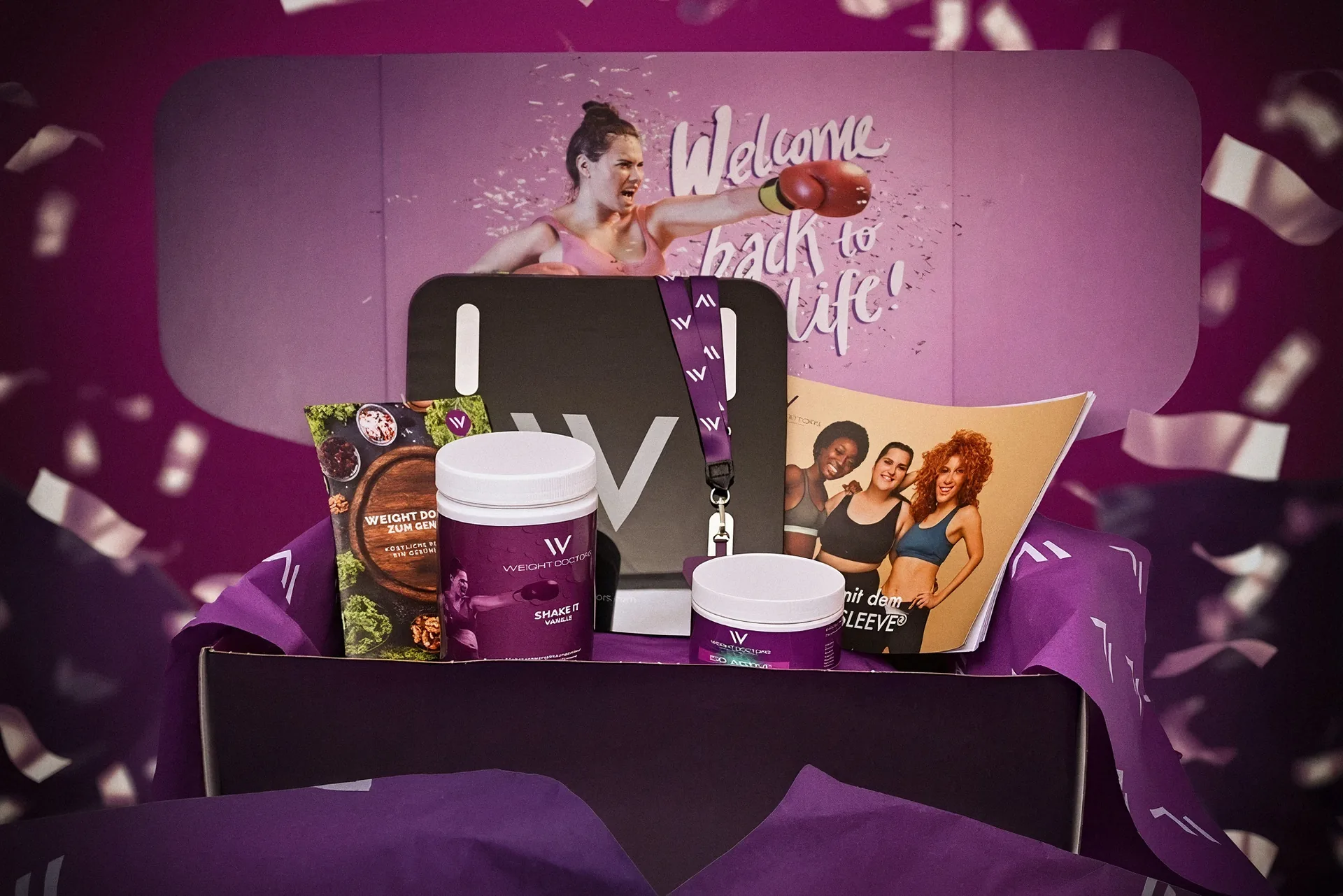
Weight Doctors® starter box with shake, recipe booklet, folder, brochure and lanyard
  • Vegetablescolourful and varied, ideally half the plate – broccoli, peppers, salad leaves, carrots, mushrooms.
  • Pulseslentils, chickpeas, beans – they provide protein and fibre at the same time.
  • Wholegrainsoats, wholegrain bread, brown rice, quinoa instead of white flour.
  • Sources of proteineggs, fish, poultry, natural yoghurt, skyr, quark, tofu.
  • Nuts and vegetable oilsin small amounts, such as olive oil or rapeseed oil, measured with a spoon.
  • Drinksmainly water and unsweetened tea; avoid juices, soft drinks and alcohol.

Personal consultation

Curious to know more?

Simply leave your contact details here. Our team will get back to you as soon as possible.

Breakfast: yoghurt with oats and berries

Natural yoghurt or skyr with oats, fresh or frozen berries and a tablespoon of chopped nuts. Protein, fibre and little sugar – no cooking required.

Lunch: lentil and vegetable pan

Cook red lentils, then fry peppers, courgette and spinach in a little olive oil and season with cumin and lemon. If you like, add an egg or some feta. Eat the vegetables first.

Dinner: oven-baked fish with broccoli

Bake a fish fillet with broccoli and cherry tomatoes on a tray in the oven, with herbs and a spoonful of rapeseed oil. Serve with a small portion of brown rice or potatoes – as the last part of the meal.

Diet during GLP-⁠1 therapy

People who use medically prescribed GLP-⁠1 medicines often naturally eat smaller portions. This makes what ends up on the plate all the more important. These principles are frequently recommended; what applies in an individual case is discussed with the treating doctor:

  • Keep an eye on proteinWhen you lose weight, you also lose muscle mass. Sufficient protein and exercise can counteract this.
  • Small and slowsmaller portions, eat slowly and stop as soon as you feel full.
  • Drink enoughspread throughout the day, mainly water.
  • Increase fibre graduallyIt helps digestion, but should be increased slowly.

If persistent symptoms occur, they should be addressed at your medical follow-up. Do not stop a medicine without consulting your doctor.

Weight Doctors® employee in patient management

An honest assessment: what diet can achieve

A diet rich in vegetables, fibre and protein makes sense for almost everyone, regardless of weight. It can help you feel full, reduce cravings and make it easier to maintain a calorie deficit. How much weight someone loses this way varies from person to person; there are no reliable figures specifically for the “GLP-⁠1 diet”.

With obesity – defined by the World Health Organization as starting at a BMI of 30 – changing your diet alone is often not enough. This is not due to a lack of discipline: obesity is a chronic disease in which hormones and metabolism work against you. The BMI calculator shows where you stand. Capsules or drops with “GLP-⁠1” in their name are not a shortcut; what they contain is explained in the guide GLP-⁠1 capsules from the chemist.

One medical option is Weight Doctors® GLP-⁠1 pharmacotherapy. It is generally considered from a BMI of 30, or from 27 if there are weight-related comorbidities. A specialist checks whether a medicine makes medical sense and monitors progress monthly. Here, too: the medicine alone is not the solution – diet remains the foundation.

Consultation

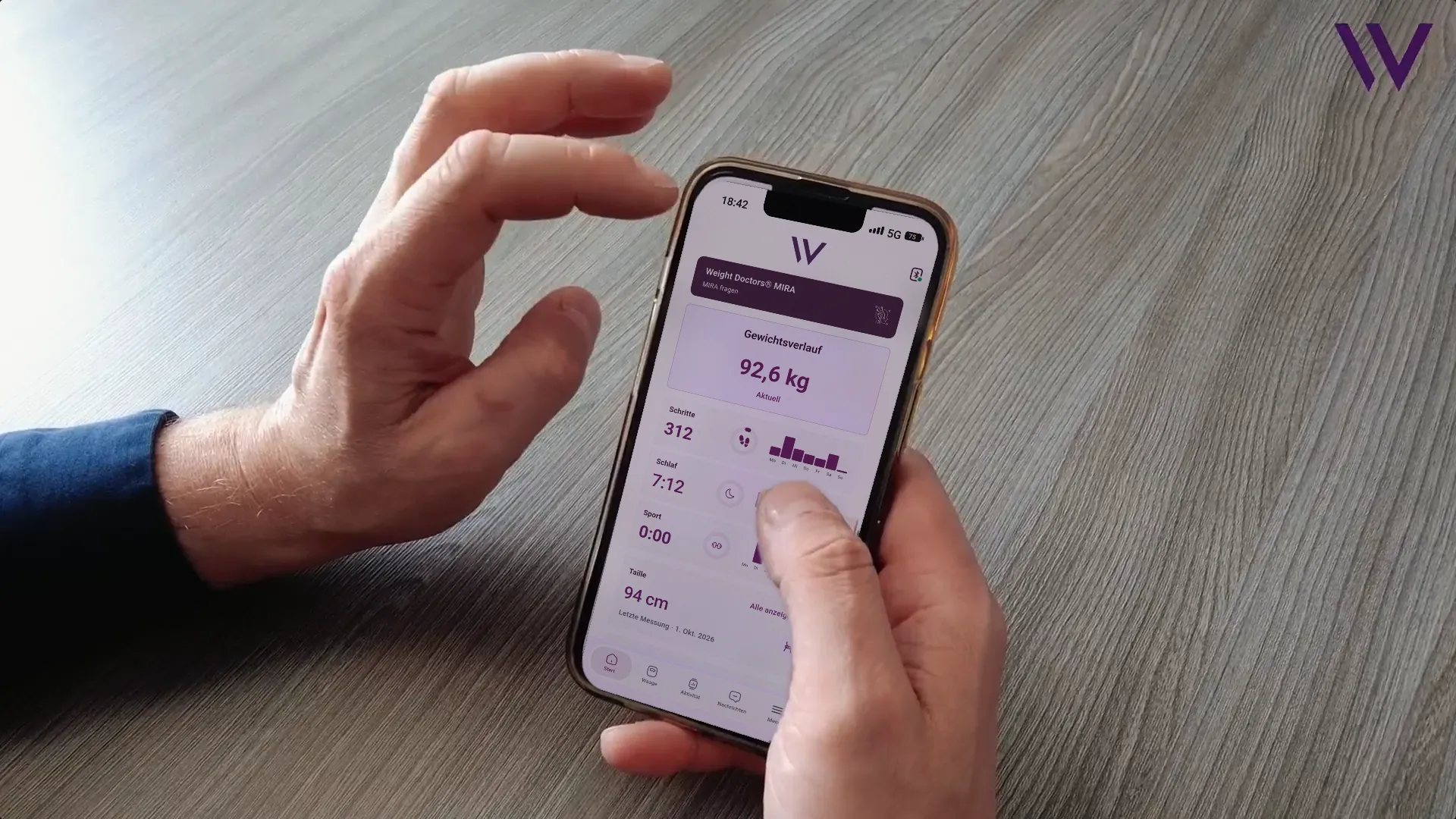
In Weight Doctors® 360° nutrition coaching, nutrition scientists work with you to change your eating plan – in person, by phone or by video, with the Weight Doctors® App for the time in between. There, Weight Doctors® Mira can create recipes in seconds on request, tailored to your preferences, intolerances and allergies. Whether medical therapy also makes sense is clarified by our specialists in a 100% no-obligation consultation. Book a consultation

Frequently asked questions

Questions and answers

Your question isn’t listed? Your specialist will take time for it during the consultation.

What is the GLP-⁠1 diet?

An umbrella term for a way of eating intended to support the body’s own satiety hormones such as GLP-⁠1: plenty of vegetables and pulses, wholegrains, sufficient protein, few highly processed foods and eating slowly. There is no fixed programme with rules or phases.

Which foods contain GLP-⁠1?

None. GLP-⁠1 is a hormone that the gut produces itself. Protein-rich and high-fibre foods such as pulses, oats, vegetables, eggs, fish or natural yoghurt can stimulate its release after eating.

Can GLP-⁠1 be increased naturally?

In the short term, yes, to a limited extent. In studies, protein, fibre, vegetables before carbohydrates and eating slowly are associated with higher GLP-⁠1 levels after a meal. This does not achieve the levels or duration of action of a medicine.

How much weight can you lose with the GLP-⁠1 diet?

There are no reliable figures, because the GLP-⁠1 diet as a whole has not been studied. How much weight someone loses depends mainly on the calorie deficit, their starting point and how lastingly their habits change. Results vary from person to person.

Does the GLP-⁠1 diet replace medical GLP-⁠1 therapy?

No. Diet can support satiety, but it works differently and more weakly than a medicine. Conversely, the medicine does not replace a change in diet either: the two belong together.

What should I eat during GLP-⁠1 therapy?

Smaller, protein-rich meals with vegetables and wholegrains, eaten slowly, plus enough water. What applies in your case is something you discuss at your medical follow-up.

Read more

You may also be interested in

All treatments at a glance

Wide range of services
no procedure
Surgery
  1. No procedureWeight Doctors® GLP-⁠1 pharmacotherapyMedication-based, no procedure
  2. No procedureWeight Doctors® 360°Nutrition coaching
  3. Long-lastingNewWeight Doctors® hydroGMAEndoscopic, no incisions
  4. No surgeryWeight Doctors® GASTRIC BALLOONTemporary, also swallowable
  5. No surgeryHealth insurance cover also possible*Weight Doctors SLEEVE®Endoscopic, permanent
  6. With surgeryHealth insurance cover also possible*Weight Doctors BARIATRICS®Surgical, minimally invasive
  7. With surgeryHealth insurance cover also possible*Weight Doctors® REVISIONCorrective procedure after weight-loss surgery
  8. LipoedemaHealth insurance cover also possible*Weight Doctors® lipoedema surgeryLiposuction for lipoedema
  9. After weight lossHealth insurance cover also possible*Weight Doctors® RESHAPEAfter weight loss

* For patients with German statutory health insurance: if the medical indication is established in line with the DGAV guidelines, reimbursement may be possible.

Newsletter

News from Weight Doctors®

New treatments, dates such as our webinars and knowledge about losing weight – straight to your inbox. You can unsubscribe at any time with one click.

I can withdraw my consent at any time, e.g. via the unsubscribe link in every email.

Protected by privacy-friendly spam protection, without tracking and without cookies.

* Required fields

Consultation

On to your Weight Doctors® Experience.

The first step is a conversation: choose your treatment, location and appointment online here – consultation on site, by video or by phone.

  • 100% no obligation
  • One-to-one with your specialist
  • Appointments online, around the clock
  • 23 locations in 6 countries

Prefer to call? 0800 84 84 777Mon–Fri 8 am–8 pm · Sat 9 am–3 pm

Weight Doctors® at 23 locations in 6 countries23 locations

Which location is closest to you?0800 84 84 777

Book a consultationBook a consultation

Personal consultation

Do you have a question?

Write to us – our team will get in touch with you personally.