3,087 reviewsof the Weight Doctors® Group · 97% recommendation rateBlog · 14 November 2024 · 11 min read

GLP-⁠1 therapy or stomach reduction: which route helps in the long term?

Medication or procedure? How GLP-⁠1 therapy and stomach reduction work, how they differ, what risks they carry and which path comes into question for whom.

GermanyNetherlandsMedically reviewed byDr. med. Robert JennerSpecialist in visceral surgery / specialised visceral surgeryLast updated:

As of today: The AI assistant in the Weight Doctors® App is now called Mira. What GLP-⁠1 therapy costs today is on the GLP-⁠1 therapy page.

Two ways out of the yo-yo cycle

Have you had enough of endless diets and the constant ups and downs on the scales? The yo-yo effect leaves many people discouraged. Perhaps you have already wondered whether a stomach reduction could be the solution – but the thought of an operation is frightening, and not everyone wants to take this step. This is where GLP-⁠1 therapy comes in: a medication-based treatment that influences the metabolism and increases the feeling of fullness without surgically reducing the stomach.

Both approaches – GLP-⁠1 therapy and stomach reduction – offer real chances of lasting weight loss, but differ greatly in approach and risks. Stomach reduction is mainly an option for severe obesity when conservative measures are not enough. The medication-based treatment is aimed at people looking for a gentler route to their target weight. This article explains how both methods work, what advantages and disadvantages they have and which may suit you better.

  1. An individual decisionGLP-⁠1 therapy is usually an option from a BMI of 30, or from 27 with related conditions, and needs no procedure. For severe obesity with related conditions, stomach reduction offers a permanent solution.
  2. Different ways of workingGLP-⁠1 works through satiety and more stable blood sugar. Stomach reduction – gastric sleeve or gastric bypass – reduces the stomach permanently.
  3. Aftercare plays its partBoth routes need a consistent change of diet and regular check-ups. Specialist medical advice and personal coaching such as Weight Doctors® 360° improve the chances of lasting success.
Medication-based

What is GLP-⁠1 therapy and how does it work?

GLP-⁠1 therapy is a medication-based treatment that can help with weight loss without the need for a surgical procedure such as stomach reduction. It is based on a hormone called glucagon-like peptide-1 (GLP-⁠1), which occurs naturally in the body and helps control blood sugar and satiety.

GLP-⁠1 is a gut hormone that is released after eating. It signals to the brain that the body is full and at the same time slows stomach emptying. As a result, the feeling of fullness can set in faster and last longer. The active ingredients in GLP-⁠1 preparations mimic this function and can thereby reduce the desire to eat. In addition, GLP-⁠1 helps to stabilise blood sugar – an advantage especially for people with obesity and diabetes.

Advantages of GLP-⁠1 therapy

  • Losing weight without a procedureUnlike a stomach reduction or a gastric bypass, GLP-⁠1 therapy needs no operation.
  • More stable blood sugarThe therapy supports the body in regulating blood sugar better – helpful especially with diabetes.
  • Stronger feeling of fullnessGLP-⁠1 increases satiety so that you eat less.
  • Lower risk than an operationCompared with a gastric sleeve or gastric bypass, there are fewer possible complications and a shorter recovery time.

Side effects and risks of GLP-⁠1 therapy

As with any medication-based treatment, side effects can occur. The most common are nausea, vomiting and occasionally diarrhoea. In rare cases, use can be associated with an increased risk of thyroid cancer. Regular medical care and aftercare are therefore essential in order to make the therapy safe and to detect possible risks early.

Surgical

Stomach reduction: gastric sleeve and gastric bypass

When diets, changes in eating habits and exercise are not enough, many opt for a surgical route. Stomach reduction is one of the most common forms of bariatric surgery. It reduces the volume of the stomach so that satiety comes sooner and less is eaten. The two main procedures are the gastric sleeve and the gastric bypass; at the Weight Doctors® both belong to Weight Doctors BARIATRICS®.

Both procedures aim to reduce body weight markedly and to lower food intake permanently. Which procedure suits depends above all on BMI, related conditions and your health.

  1. Gastric sleeveIn the gastric sleeve, the stomach is reduced using keyhole surgery along the greater curvature; around 75–80% is removed, leaving a tube-shaped remaining stomach. It holds less, fills you up faster and produces less of the hunger hormone ghrelin. The procedure is mainly an option for a BMI between 35 and 45.
  2. Gastric bypassIn the gastric bypass, the stomach is divided into a small upper pouch and a larger remaining stomach. The pouch is connected directly to the small intestine, so food bypasses part of the digestive tract and fewer calories are absorbed. It is preferred in severe obesity with a BMI over 45 and can often improve related conditions such as diabetes.

The gastric sleeve is restrictive, meaning it reduces stomach volume. The gastric bypass is additionally malabsorptive: it limits the absorption of nutrients. After both procedures, especially after a gastric bypass, dumping syndrome can occur, in which food reaches the small intestine too quickly – with nausea, diarrhoea and sweating. Careful aftercare and nutrition counselling are therefore essential.

Risks and complications of stomach reduction

Like any operation, stomach reduction has possible risks:

  • Bleeding and infectionsThey can occur during or after the operation and are closely monitored by the treating surgeon.
  • Dumping syndromeAfter a gastric bypass it occurs frequently and leads to sudden discomfort after eating.
  • Nutrient deficiencyBecause the absorption of nutrients is restricted, the risk of deficiencies rises. A targeted diet and regular supplements are decisive.
  • Long-term aftercareRegular check-up appointments and support from nutrition specialists safeguard the result of the operation.

In our media library you will find many more films from the Weight Doctors® on treatments and methods, on our specialists, on the team and on patient stories.

Side by side

The direct comparison

Many people with excess weight or obesity ask themselves which route is the right one: medication-based GLP-⁠1 therapy or a stomach reduction. Both are effective, but differ greatly in approach, risk, outcome and long-term success. A precise comparison helps with the decision: the table sets out the most important features of both methods side by side.

FeatureGLP-⁠1 therapyStomach reduction (gastric sleeve, gastric bypass)
Methodmedication-based therapy (injection)surgical procedure
Procedurenoneminimally invasive, keyhole surgery
Who it is forexcess weight and obesity, usually from BMI 30, with related conditions from 27severe obesity, usually from BMI 40, with related conditions from 35
Effectmore satiety, more stable blood sugarsmaller stomach volume, with the bypass additionally rerouted digestion
Results according to studieson average about 10–15% weight loss within 6–12 monthson average 50–70% of excess weight within 1–2 years
Risks and side effectsnausea, vomiting, rarely thyroid cancerbleeding, infections, dumping syndrome, nutrient deficiency
Aftercareregular medical check-ups, dose adjustmentlifelong aftercare, regular nutrition counselling
Costsself-pay; German statutory health insurers currently do not cover itChance of cost coverage by German health insurance where there is a medical indication in line with the guidelines
Long-term outlookgood, if diet and exercise are changed as wellgood, especially with severe obesity and consistent change of lifestyle

The values are averages from studies, not a promise. Results vary from person to person.

When does GLP-⁠1 therapy make sense?

GLP-⁠1 therapy needs no procedure and is particularly suitable for people who are wary of an operation or only need moderate weight loss. The active ingredients increase the feeling of fullness and reduce food intake. It is also helpful if you have already had first successes with changes in diet and exercise but need support to maintain your weight in the long term.

  • no operation needed
  • more stable blood sugar, especially helpful with diabetes
  • dose can be adjusted to progress and tolerance
  • lower risk of serious complications

When is stomach reduction the better choice?

A stomach reduction with a gastric sleeve or gastric bypass is mainly an option for severe obesity when conservative measures have not led to the desired success. Because stomach volume becomes markedly smaller, food intake falls sharply. This can lead to significant, often rapid weight loss that can also be maintained in the long term.

  • high effectiveness, especially with severe obesity
  • rapid and significant weight loss possible
  • related conditions such as diabetes, high blood pressure and sleep apnoea can improve
  • body weight can stabilise in the long term

What do long-term results show?

  • GLP-⁠1 therapyStudies show a weight loss of about 10–15% in the first year. For long-term success, however, a consistent change of diet and regular exercise are needed.
  • Stomach reductionOften 50–70% of excess weight is lost in the first 1–2 years. Long-term studies show that many keep their reduced weight for 5 years and longer, especially if they change their lifestyle permanently.
Decision aid

Which method suits you?

The choice between GLP-⁠1 therapy and stomach reduction is a personal and medical decision that deserves careful thought. The body mass index (BMI), your general state of health and your previous attempts to lose weight play a central role.

  • Requirements for GLP-⁠1 therapyIt is usually used from a BMI of 30, or from 27 with weight-related conditions – especially if changes in diet and exercise have so far achieved little. It is important that there are no conditions that rule out the medication, such as certain thyroid diseases or severe kidney damage. People with diabetes often benefit additionally because the therapy also helps regulate blood sugar.
  • Requirements for a stomach reductionA gastric sleeve or gastric bypass is usually recommended for severe obesity when conservative measures have not been enough. You should be in stable health so that the risk of complications stays low. The prospects are particularly good if you have related conditions such as diabetes, high blood pressure or sleep apnoea, which can improve with weight loss.

A thorough medical consultation and examination is essential to clarify whether the requirements for either route are met. A detailed medical history is the basis for a safe decision.

Nutrition counselling and personal coaching

Whichever route you choose: changing your diet is an essential part of success. Nutrition specialists and personal coaches help you to build and maintain healthy habits.

  1. With GLP-⁠1 therapyAccompanying nutrition counselling helps to adapt your diet and to develop healthy eating habits. The focus is on a balanced diet that supports satiety. Regular check-ups and adjustments ensure that you get the greatest benefit from the therapy.
  2. After a stomach reductionAfterwards, a consistent change of diet and regular aftercare are essential to avoid nutrient deficiency or dumping syndrome. Experienced nutrition specialists draw up a personal plan and support the transition.
  3. Weight Doctors® 360° and Weight Doctors® MiraWith Weight Doctors® 360°, a personal 360° Coach is at your side if you wish. In addition there is Weight Doctors® Mira in the Weight Doctors® App, available around the clock, with tips on nutrition and exercise.

A patient reports

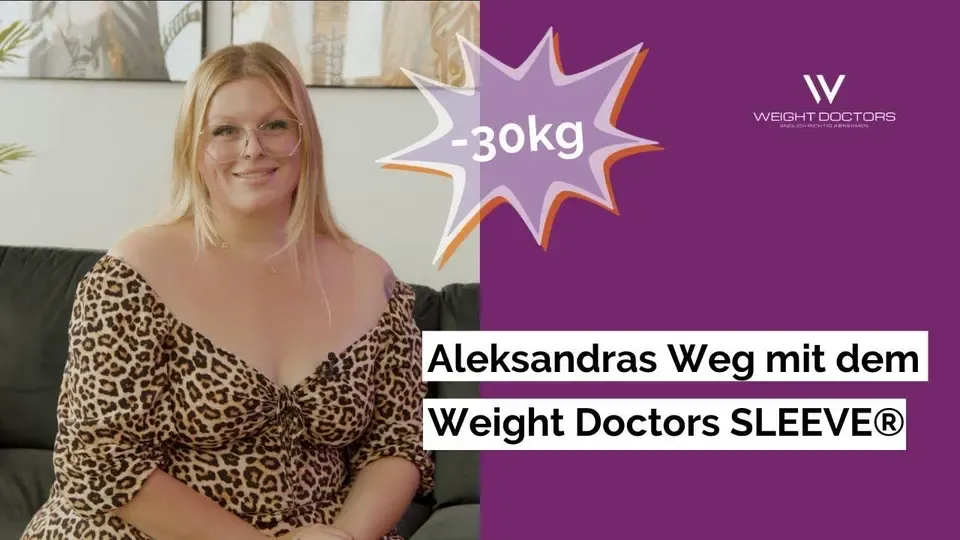
A sympathetic preliminary conversation and extensive expertise are the basis for a well-prepared procedure. In the film, a patient tells of her experiences with stomach reduction and why, after careful consideration and research, she chose the Weight Doctors®. There is also information on the opportunities of such a procedure.

Combined

GLP-⁠1 therapy and stomach reduction together

Many wonder whether they have to choose between medication and an operation. Increasingly, specialists in obesity surgery combine both methods: the combination joins the effect of GLP-⁠1 therapy with the lasting effect of a gastric sleeve or gastric bypass.

This strategy uses the strengths of both approaches – before and after the procedure:

  1. Before the operationMany start GLP-⁠1 therapy even before a planned stomach reduction. This can reduce weight and make the procedure safer: less fat in the abdominal cavity makes the operation easier and lowers the risk of complications.
  2. After the operationAfterwards, GLP-⁠1 therapy can further support weight loss and dampen hunger – especially during the period when you are getting used to the new diet. It can stabilise satiety and prevent cravings.

What the combination can bring

  • Faster and more lasting weight lossStudies show that the combination can speed up weight loss. The operation reduces food intake, while GLP-⁠1 therapy increases satiety and stabilises blood sugar.
  • Related conditions better under controlAnyone with diabetes or high blood pressure can benefit from the double effect – GLP-⁠1 additionally improves blood sugar, while the operation supports weight loss in the long term.
  • Lower risk of complicationsAnyone who has already lost weight and stabilised their metabolism before the operation has a lower risk during the operation.

The combination is mainly an option for severe obesity with related conditions when conservative measures have not been enough – especially for people who want to see progress quickly. Those who would first like to try a route without a procedure before an operation can also start with GLP-⁠1 therapy and decide later.

Conclusion: which route takes you safely to your goal?

At the end of your research comes an important decision. Both methods can help – which is the right one depends on your circumstances, goals and preferences.

GLP-⁠1 therapy suits people who prefer a gentle, medication-based treatment. It works through the hormone GLP-⁠1, improves satiety and stabilises blood sugar. For many it is a gentle start without an operation – especially if you have already had first successes with diet and exercise and need support to maintain your target weight.

Stomach reduction changes stomach volume markedly and permanently and can lead to rapid, significant weight loss. It is particularly suitable for severe obesity with related conditions that can no longer be improved by conservative means alone. It can improve diabetes and high blood pressure in the long term, but requires lifelong aftercare and a strict change of diet.

What is the right decision for you?

There is no blanket answer. The key is well-founded, personal advice from a specialist doctor: medical history, BMI and your previous attempts to lose weight show which route suits. Both routes can help you reach your comfortable weight – what matters is that it fits your life. The path to a healthier life begins with the first step: getting advice.

Do not go the road alone: with Weight Doctors® 360°, medical support and Weight Doctors® Mira in the app, the Weight Doctors® accompany you on the way to lasting weight loss and look with you for the approach that suits your situation. The first step is a consultation with no obligation.

Films

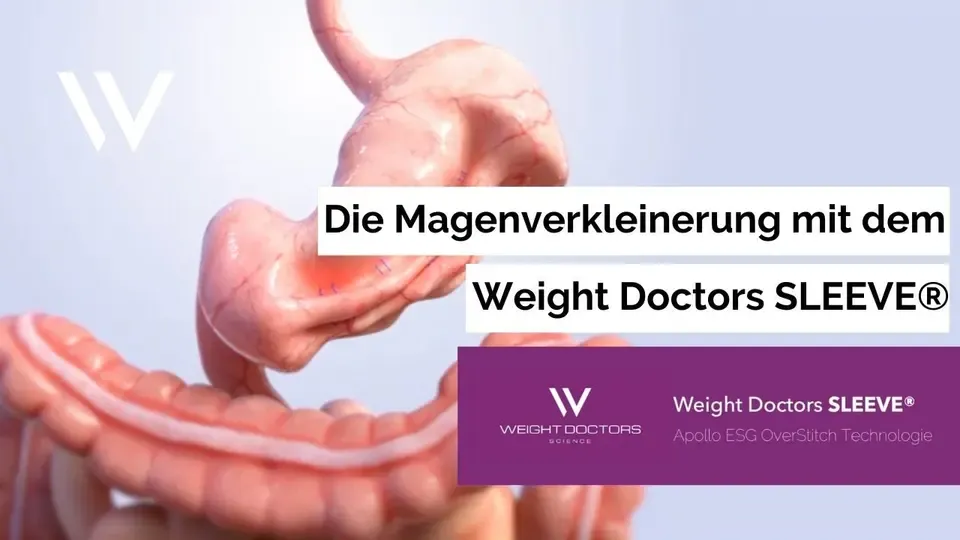
  • The Weight Doctors SLEEVE® procedure in an animated video
  • Stomach reduction: a patient reports on her experiences
Blog & News

More articles

All articles
Read more

You may also be interested in

All treatments at a glance

Wide range of services
no procedure
Surgery
  1. No procedureWeight Doctors® GLP-⁠1 pharmacotherapyMedication-based, no procedure
  2. No procedureWeight Doctors® 360°Nutrition coaching
  3. Long-lastingNewWeight Doctors® hydroGMAEndoscopic, no incisions
  4. No surgeryWeight Doctors® GASTRIC BALLOONTemporary, also swallowable
  5. No surgeryHealth insurance cover also possible*Weight Doctors SLEEVE®Endoscopic, permanent
  6. With surgeryHealth insurance cover also possible*Weight Doctors BARIATRICS®Surgical, minimally invasive
  7. With surgeryHealth insurance cover also possible*Weight Doctors® REVISIONCorrective procedure after weight-loss surgery
  8. LipoedemaHealth insurance cover also possible*Weight Doctors® lipoedema surgeryLiposuction for lipoedema
  9. After weight lossHealth insurance cover also possible*Weight Doctors® RESHAPEAfter weight loss

* For patients with German statutory health insurance: if the medical indication is established in line with the DGAV guidelines, reimbursement may be possible.

Newsletter

News from Weight Doctors®

New treatments, dates such as our webinars and knowledge about losing weight – straight to your inbox. You can unsubscribe at any time with one click.

Protected by privacy-friendly spam protection, without tracking and without cookies.

* Required fields

Consultation

On to your Weight Doctors® Experience.

The first step is a conversation: choose your treatment, location and appointment online here – consultation on site, by video or by phone.

  • 100% no obligation
  • One-to-one with your specialist
  • Appointments online, around the clock
  • 23 locations in 6 countries

Prefer to call? 0800 84 84 777Mon–Fri 8 am–8 pm · Sat 9 am–3 pm

Weight Doctors® at 23 locations in 6 countries23 locations

Which location is closest to you?

0800 84 84 777Book a consultationBook a consultation