3,103 reviewsof the Weight Doctors® Group · 97% recommendation rateGuide · 8 min read

Losing weight during the menopause what changes and what helps

The same meals, yet more on the scales – and the weight suddenly settles around the abdomen: many women experience this from their mid-40s. There are physical reasons for this; it has nothing to do with a lack of discipline.

The essentials in brief

  1. Common and explainableMany women gain weight around the menopause, especially around the abdomen. The cause is physical changes, not a lack of willpower.
  2. What changesAs oestrogen falls, fat tends to be stored around the abdomen, muscle mass decreases, and sleep problems and hot flushes are added.
  3. What is not trueMetabolism does not collapse at 40.
  4. What helpsStrength training, sufficient protein, a moderate calorie deficit and good sleep. There is no such thing as a “metabolism booster”.
  5. With medical supportFor obesity or related conditions, there are medical options. Hormone therapy, on the other hand, is not a means of losing weight.

Personal consultation

Curious to know more?

Simply leave your contact details here. Our team will get back to you as soon as possible.

What happens in the body during the menopause

The menopausal transition, known medically as the climacteric, is the transitional period in which the ovaries gradually stop producing hormones. It usually begins in the second half of a woman’s forties and extends over several years. The menopause itself is a single point in time: the last menstrual period.

During this time, it is mainly the levels of the hormones oestrogen and progesterone that fall. This can trigger hot flushes, sleep disorders, mood swings and joint pain – how severely varies greatly from woman to woman. And it changes how and where the body stores fat.

Why losing weight is harder during the menopause

Many women notice that habits that have kept their weight stable for years are suddenly no longer enough. Several reasons come together here.

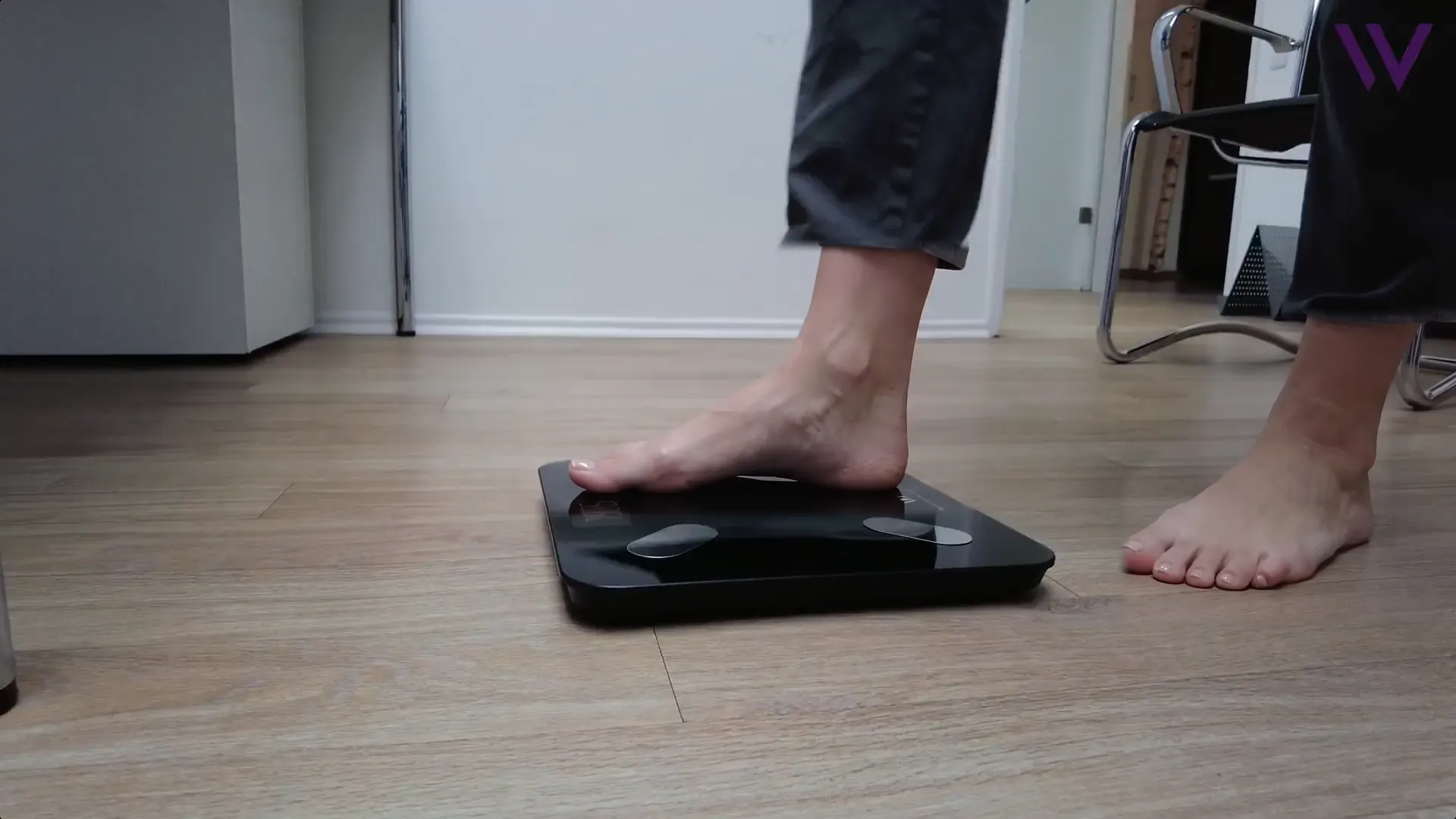
Feet on the digital Weight Doctors® body scales

The fat moves to the abdomen

Before the menopause, women store fat mainly on the hips, bottom and thighs, under the skin. As oestrogen falls, this shifts: more fat is stored around the abdomen and between the internal organs. This so-called visceral belly fat is metabolically active and is linked to type 2 diabetes, fatty liver and cardiovascular disease. What it is and how you can reduce it is explained in the guide Visceral belly fat.

Muscle mass decreases

During the menopause, many women gain fat mass and lose muscle mass – often even before their weight changes noticeably. Muscles use energy even at rest. Less muscle therefore means a somewhat lower basal metabolic rate, i.e. fewer calories that the body burns without exercise. At the same time, strength and stamina decline, which can make everyday activity more of an effort.

Sleep, hot flushes and stress

Hot flushes at night interrupt sleep. Lack of sleep throws the hormones for hunger and satiety off balance and weakens impulse control – when you are tired, you reach for sweet things more often and move less. In addition, this stage of life often brings pressures at work and in the family. Chronic stress raises the level of the hormone cortisol, which is associated with an increase in belly fat.

Ruling out other causes

Not every weight gain around the age of 50 is related to the menopause. An underactive thyroid, certain medications or less exercise after an injury can also be behind it. If you gain significant weight for no apparent reason, it is worth having it checked by a doctor.

Strength training

Strength training is particularly valuable at this stage of life: it maintains muscle, supports the bones and makes everyday movement easier. It doesn’t have to be a gym – exercises with your own body weight, resistance bands or dumbbells at home are just as suitable.

Exercise in everyday life

Incidental movement also counts: stairs instead of the lift, walking, standing while on the phone. Over the day, this adds up to more than many people expect.

Sufficient protein

Protein helps to maintain muscle – especially when you eat less in order to lose weight. It is also very filling. Good sources are pulses, dairy products, eggs, fish and lean meat, spread across the day’s meals.

Good sleep

Regular sleep times, a cool bedroom and little alcohol in the evening can improve sleep. If hot flushes are severely disrupting your sleep, talk to your gynaecologist about it.

Nutrition during the menopause

There is no need for a special “menopause diet”. The basis remains a moderate calorie deficit that fits into everyday life in the long term. At this stage of life, very strict diets can easily cause the body to break down additional muscle – exactly what is already declining.

Whether intermittent fasting, fixed meals or smaller portions: what is good is what you can stick to in the long term. What matters is the total amount over weeks, not a single rule. Personal nutrition coaching can help you find a plan that suits your everyday life and your health.

  • Vegetables and pulses as the basisThey are filling and provide fibre with few calories.
  • Protein with every mealto maintain muscle.
  • Wholegrain instead of white flourkeeps you full for longer than white bread or pastries.
  • Keep an eye on calcium and vitamin DAfter the menopause, the risk of bone loss (osteoporosis) increases. Dairy products, green vegetables and daylight contribute to your supply.
  • DrinksWater or unsweetened tea instead of sugary drinks. Alcohol provides a lot of calories and can intensify hot flushes and sleep problems in some women.

Personal consultation

Curious to know more?

Simply leave your contact details here. Our team will get back to you as soon as possible.

Losing 10 kg at 60: is it possible?

Yes, significant weight loss is possible even at 60. It usually happens more slowly than at 30, and how much you lose varies from person to person.

From 60 onwards, one thing matters in particular: protecting your muscles and bones. A moderate pace, enough protein and strength training ensure that you mainly lose fat rather than muscle. If you take medication – for high blood pressure or diabetes, for example – you should have greater weight loss supervised by a doctor, because your need for medication can change with your weight.

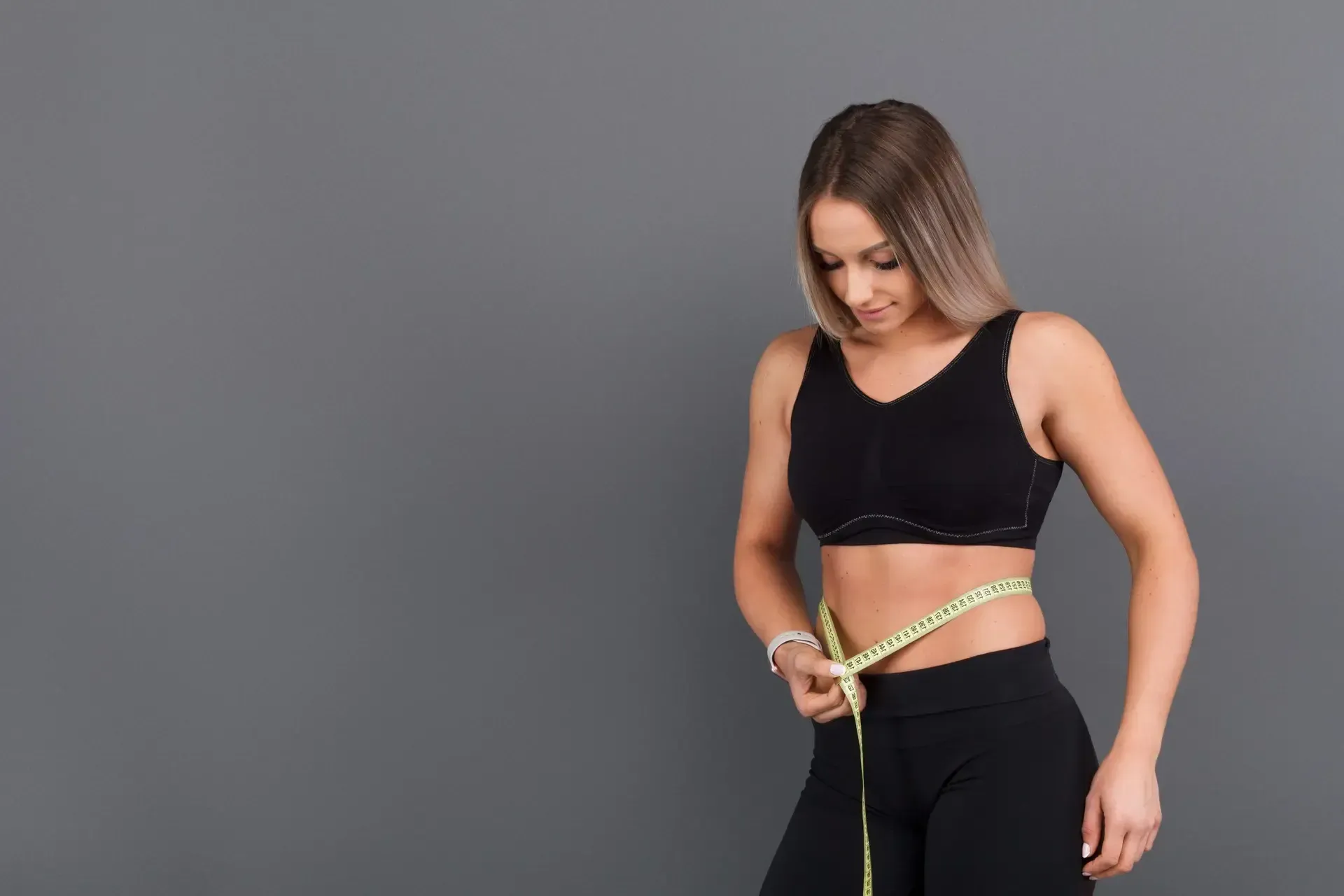
Rather than only looking at the scales, it is worth looking at your waist circumference. With the WHtR calculator and the BMI calculator, you can see where you stand and whether anything is changing.

Does hormone therapy help with weight loss?

Hormone therapy during the menopause – oestrogens prescribed by a doctor, usually together with a progestogen – is used to treat symptoms such as severe hot flushes. It is not a means of losing weight. If it relieves hot flushes and improves sleep, this can make everyday life easier and thus indirectly also make weight loss easier. Whether hormone therapy is an option for you is something you weigh up with your gynaecologist in terms of benefits and risks.

When medical support makes sense

In the case of obesity or weight-related conditions, changing your diet and exercise is often not enough – this is not a question of willpower but of biology. In that case, there are medically supervised options.

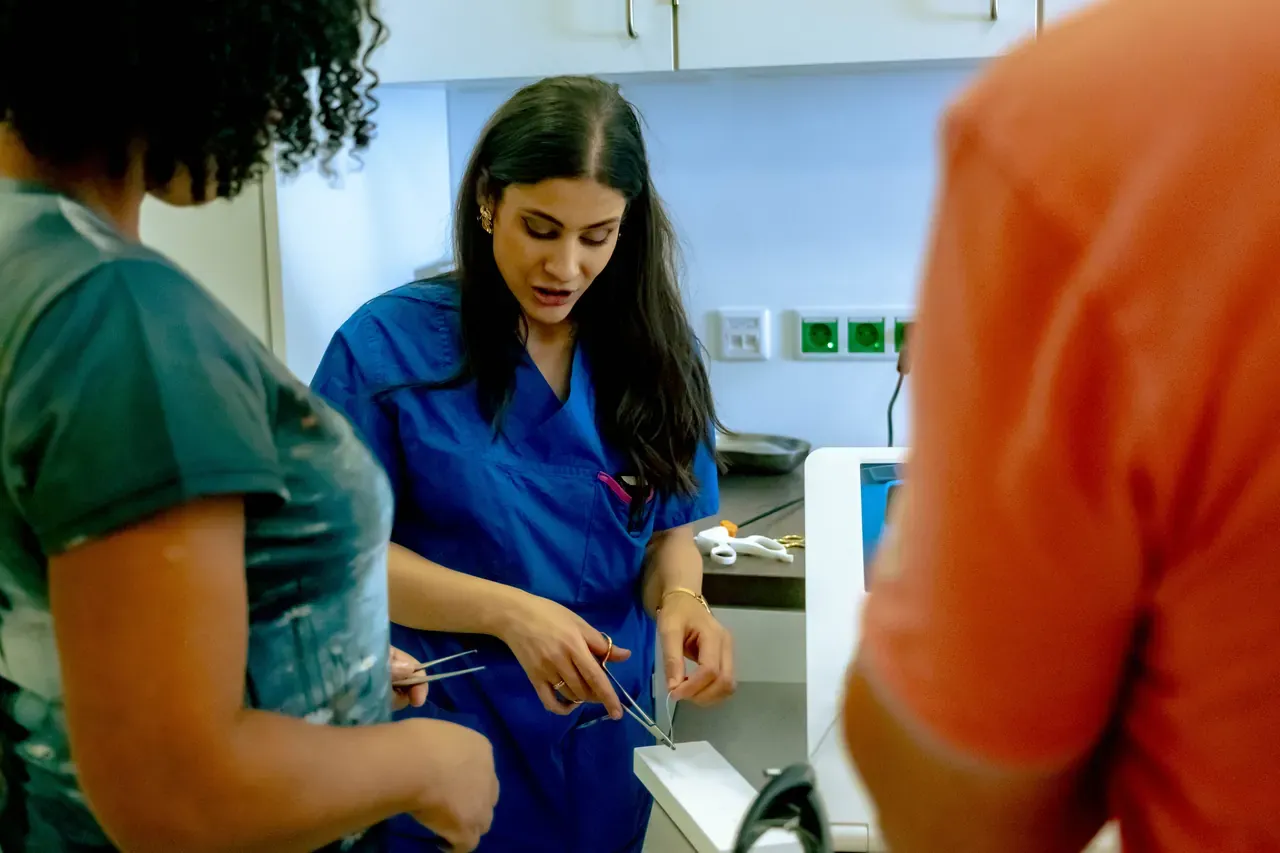
Weight Doctors® adviser in conversation with a patient
  • Drug-based treatmentIn the case of significant excess weight – usually from a BMI of 30, or from 27 with related conditions such as high blood pressure, high cholesterol or type 2 diabetes – Weight Doctors® GLP-⁠1 pharmacotherapy may be an option. Whether it makes sense is decided by a specialist after a medical assessment; nutrition and exercise remain the foundation.
  • ProceduresWith a higher BMI, a gastric balloon or a stomach reduction can be options. There is no fixed upper age limit for these; what matters is your overall health situation.

Consultation

In the consultation, we look together at your starting point – weight, waist circumference, pre-existing conditions – and at the approach that suits it: from Weight Doctors® 360° nutrition coaching with the Weight Doctors® App, in which Weight Doctors® Mira answers questions about nutrition, exercise and motivation around the clock and suggests recipes to suit your taste, to the medically led Weight Doctors® GLP-⁠1 pharmacotherapy. The consultation is 100% no obligation. Book a consultation

Frequently asked questions

Questions and answers

Your question isn’t listed? Your specialist will take time for it during the consultation.

Why am I gaining weight during the menopause even though I’m not eating more?

With the menopause, muscle mass decreases and the body needs slightly less energy at rest. At the same time, falling oestrogen levels shift fat storage towards the abdomen. Sleep problems and stress can additionally affect hunger and eating behaviour. The same amount of food can therefore lead to weight gain today that did not happen before.

How do I lose belly fat during the menopause?

It is not possible to lose weight only on your stomach – the body reduces fat as a whole. However, a moderate calorie deficit, endurance and strength training, enough protein and good sleep do reduce belly fat in particular. Your waist circumference often shows progress better than the scales.

Can you boost your metabolism from 40 onwards?

What changes is above all muscle mass. Strength training, more movement in everyday life and enough protein help to maintain muscle and with it your energy expenditure.

Is it still possible to lose 10 kg at 60?

Yes, it is possible, even if it usually happens more slowly than when you were younger and varies from person to person. A moderate pace, protein and strength training are important so that you mainly lose fat rather than muscle. If you take medication, have greater weight loss supervised by a doctor.

Does hormone therapy help with weight loss?

No, hormone therapy is not a means of losing weight. It is used to treat menopausal symptoms such as severe hot flushes. If it improves sleep, this can indirectly make weight loss easier. Whether it is an option for you is something to clarify with your gynaecologist.

What kind of diet makes sense during the menopause?

A balanced diet with plenty of vegetables, pulses, wholegrains and protein in slightly reduced amounts. Calcium and vitamin D are important for your bones, because the risk of osteoporosis increases after the menopause. Very strict diets are unfavourable because they increase the loss of muscle.

When should I seek medical help?

If you gain significant weight for no apparent reason, if your waist circumference or BMI is raised, or if you have related conditions such as high blood pressure or raised blood sugar. It is also worth having a conversation if several serious attempts to lose weight through diet and exercise have not worked.

Read more

You may also be interested in

All treatments at a glance

Wide range of services
no procedure
Surgery
  1. No procedureWeight Doctors® GLP-⁠1 pharmacotherapyMedication-based, no procedure
  2. No procedureWeight Doctors® 360°Nutrition coaching
  3. Long-lastingNewWeight Doctors® hydroGMAEndoscopic, no incisions
  4. No surgeryWeight Doctors® GASTRIC BALLOONTemporary, also swallowable
  5. No surgeryHealth insurance cover also possible*Weight Doctors SLEEVE®Endoscopic, permanent
  6. With surgeryHealth insurance cover also possible*Weight Doctors BARIATRICS®Surgical, minimally invasive
  7. With surgeryHealth insurance cover also possible*Weight Doctors® REVISIONCorrective procedure after weight-loss surgery
  8. LipoedemaHealth insurance cover also possible*Weight Doctors® lipoedema surgeryLiposuction for lipoedema
  9. After weight lossHealth insurance cover also possible*Weight Doctors® RESHAPEAfter weight loss

* For patients with German statutory health insurance: if the medical indication is established in line with the DGAV guidelines, reimbursement may be possible.

Newsletter

News from Weight Doctors®

New treatments, dates such as our webinars and knowledge about losing weight – straight to your inbox. You can unsubscribe at any time with one click.

I can withdraw my consent at any time, e.g. via the unsubscribe link in every email.

Protected by privacy-friendly spam protection, without tracking and without cookies.

* Required fields

Consultation

On to your Weight Doctors® Experience.

The first step is a conversation: choose your treatment, location and appointment online here – consultation on site, by video or by phone.

  • 100% no obligation
  • One-to-one with your specialist
  • Appointments online, around the clock
  • 23 locations in 6 countries

Prefer to call? 0800 84 84 777Mon–Fri 8 am–8 pm · Sat 9 am–3 pm

Weight Doctors® at 23 locations in 6 countries23 locations

Which location is closest to you?0800 84 84 777

Book a consultationBook a consultation

Personal consultation

Do you have a question?

Write to us – our team will get in touch with you personally.