
 InternationalYour location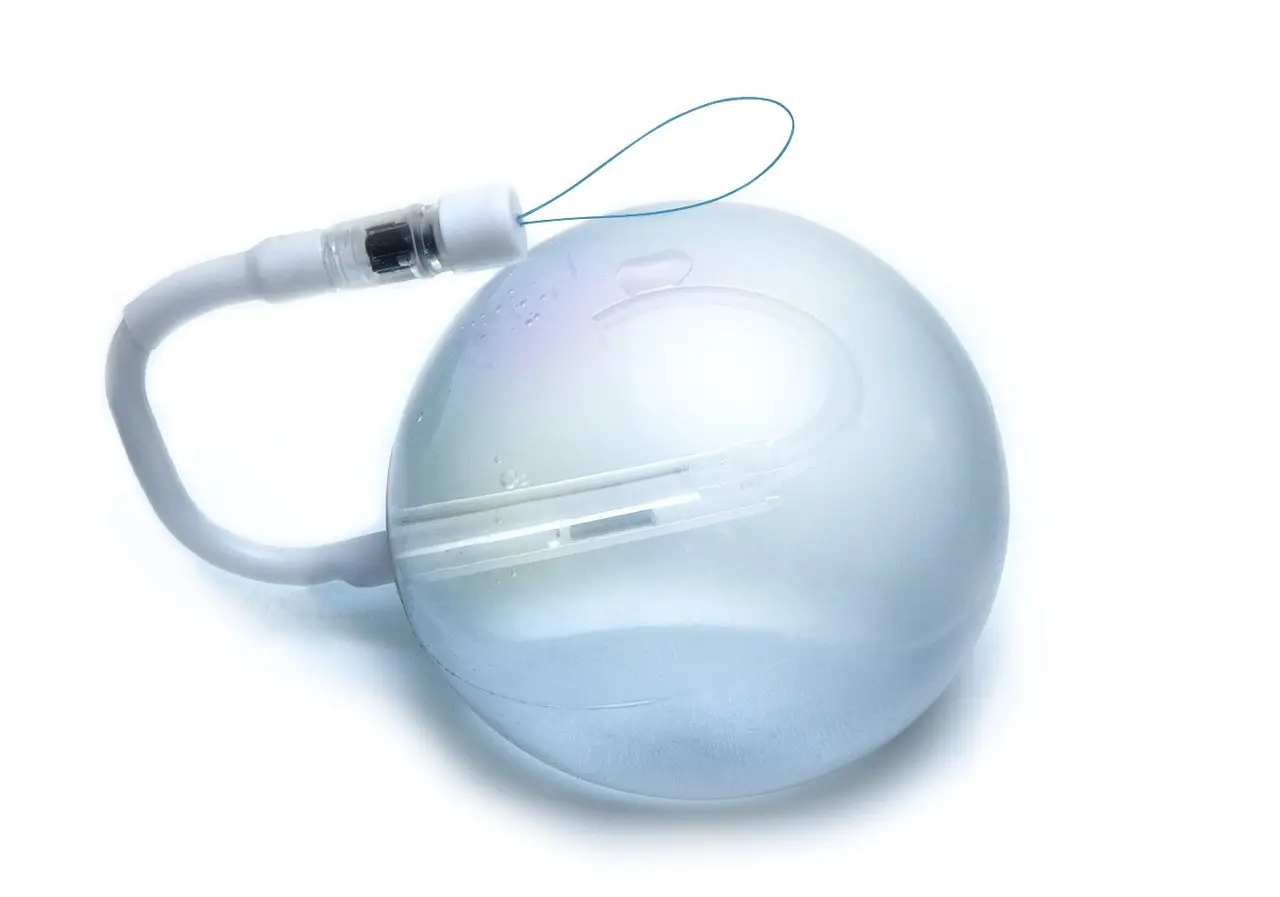



 Weight Doctors® GLP-1 pharmacotherapyMedication-based, no procedure3–12 months · from €599
Medically supervised pharmacotherapy with regular progress monitoring – with no procedure at all.
No procedure

Mon–Fri 8 am–8 pm · Sat 9 am–3 pm
A 2025 meta-analysis of almost 5,000 people treated evaluates how effective and safe the adjustable Spatz3 gastric balloon is – and what its adjustable fill volume offers.

 Medically reviewed byDr. med. Hans Werner SudholtSpecialist in internal medicineLast updated:
A meta-analysis published in 2025 provides extensive data on the Spatz3, a gastric balloon whose filling volume can be adjusted during treatment. It evaluated 12 international studies with a total of 4,981 patients treated with the Spatz3.
Source: meta-analysis “The Efficacy and Safety of Adjustable Intragastric Balloon for Weight Loss”, published in 2025 in the journal Obesity Facts.
The figures are averages from studies. Results vary from person to person.
The Spatz3’s anchor system is designed to prevent the balloon from migrating into the intestine – even if it leaks, it stays in the stomach.
By comparison: conventional gastric balloons have to be removed early in 9–12% of those treated, whereas with the adjustable Spatz3 it was 5.7%. The ability to adjust the filling volume makes the difference here. The overall complication rate of the Spatz3 was below 2%; for surgical procedures, complication rates of 9–12% within 5 years are reported.
Unlike conventional gastric balloons, the volume of the Spatz3 can be changed throughout the entire time it is worn – during a short gastroscopy, usually once after 3–6 months. This helps with the two most common hurdles of balloon treatment: when weight loss stalls and when the balloon is not tolerated.
The meta-analysis shows that the adjustable Spatz3 can be a scientifically well-studied, effective way of losing weight without surgery. Its adjustable filling volume addresses the two main problems of conventional gastric balloons: if weight loss stalls, more volume can help; if the balloon is not tolerated, less volume can.
Whether the Spatz3 or another balloon suits you is clarified by specialists in a personal consultation. More about the balloons in the gastric balloon guide and on the page Gastric balloon for 12 months.

Your question isn’t listed? Your specialist will take time for it during the consultation.
Its filling volume can be adjusted throughout the entire treatment. It can also stay in the stomach for up to 12 months, whereas many other balloons are removed after 6 months.
In the meta-analysis, the average weight loss was 16.4% of body weight. Results vary from person to person and depend on how you change your diet and exercise.
During a gastroscopy through the mouth, as an outpatient and under sedation (twilight sleep) or brief general anaesthesia; this takes about 30 minutes. In the stomach, the balloon is filled with around 500 ml of saline solution.
Up to 12 months – in the meta-analysis 9.9 months on average. It is then removed as an outpatient during a gastroscopy.
In the meta-analysis of almost 5,000 treated patients, the complication rate was below 2%. The anchor system is designed to prevent it from slipping into the intestine. As with any procedure, though, inserting a gastric balloon carries risks, which are discussed in the informed-consent discussion.
In the first 3–4 days, nausea and a feeling of pressure are normal; they usually subside afterwards. In the meta-analysis, the balloon was removed early in 5.7% of those treated, within the first 3 months.
In that case, the volume can be reduced during a short gastroscopy. In the meta-analysis, this improved the discomfort markedly in 90.8% of those affected, and they were able to continue treatment.
The long-term data are encouraging: 72% of the weight lost was still maintained 12 months after removal – provided the new habits are kept up.
For adults who are overweight with a BMI of 26 or above and have not made progress with other methods so far. In the studies, the average BMI was 36.6.
Yes, but in smaller portions. Because the balloon takes up about a third of the stomach, you feel full more quickly. The study participants reported a pleasant feeling of fullness without cravings.
After insertion, regular check-ups follow. If you wish, the filling volume is adjusted as an outpatient during a short gastroscopy.
Yes. In 2021 the Spatz3 received approval from the US authority FDA as an adjustable gastric balloon and is CE-certified in Europe.
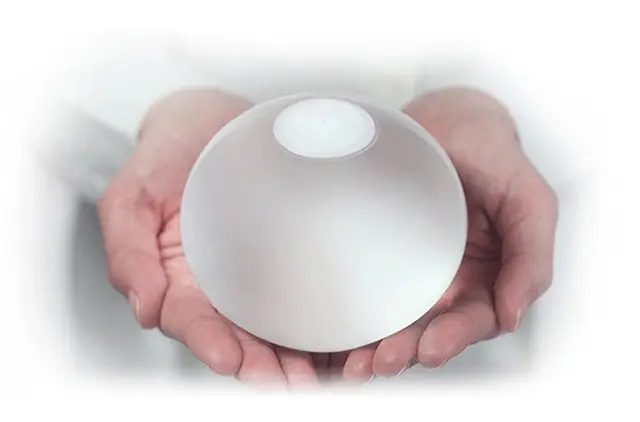
How the gastric balloon works, which versions there are, which balloon suits whom, how treatment and nutrition proceed – and what matters after removal.
8 min

How sensible is it to combine the new weight-loss medications with the proven gastric balloon? A conversation with Weight Doctors® Managing Director Brigitta Lahode and one of our specialists in gastroenterology.
6 min

A helper that reminds you when you are full: how the gastric balloon works, which four versions there are and what to expect in the first few days.
6 min
* For patients with German statutory health insurance: if the medical indication is established in line with the DGAV guidelines, reimbursement may be possible.
New treatments, dates such as our webinars and knowledge about losing weight – straight to your inbox. You can unsubscribe at any time with one click.
The first step is a conversation: choose your treatment, location and appointment online here – consultation on site, by video or by phone.
No matching treatment found. Select “Still undecided?” in one of the areas and we will call you.
* For patients with German statutory health insurance: if the medical indication is established in line with the DGAV guidelines, reimbursement may be possible.
Prefer to call? 0800 84 84 777Mon–Fri 8 am–8 pm · Sat 9 am–3 pm
Weight Doctors® at 23 locations in 6 countries23 locations
Which location is closest to you?
Which location is closest to you?
Germany
 Austria
 Netherlands
 United Kingdom
 South Africa
 Namibia
Mira
Digital assistant from Weight Doctors®
With AI · Guidance, not medical advice. Privacy
Weight Doctors® GLP-1 pharmacotherapyMedication-based, no procedure3–12 months · from €599Medically supervised pharmacotherapy with regular progress monitoring – with no procedure at all.
No procedure
 Weight Doctors® hydroGMAEndoscopic, no incisionsapprox. 30 min · on request
Losing weight without medication: lowering the hunger hormone endoscopically – no surgery, no incisions. On its own or combined with an endo sleeve.
Long-lastingNew
 Weight Doctors® GASTRIC BALLOONTemporary, also swallowable6 or 12 months · from €3,490
A temporary companion for 6 or 12 months – also swallowable, with no endoscopy at all.
No surgery
 Weight Doctors SLEEVE®Endoscopic, permanent30–60 min · from €5,500
Permanent stomach reduction without conventional surgery – endoscopic, outpatient, without scars.
No surgeryHealth insurance cover also possible*
 Weight Doctors BARIATRICS®Surgical, minimally invasive1–3 nights · from €2,500
Gastric bypass or gastric sleeve surgery for higher BMIs, incl. private medical preliminary examination and aftercare.
With surgeryHealth insurance cover also possible*
 Weight Doctors® RESHAPEAfter weight lossindividual · from €1,950
Post-bariatric body contouring after successful weight loss.
After weight lossHealth insurance cover also possible*
 Weight Doctors® REVISIONCorrective procedure after weight-loss surgeryindividual · from €900
Corrective procedure when earlier weight-loss surgery has not brought the desired success.
With surgeryHealth insurance cover also possible*
 Weight Doctors® 360°Nutrition coachingper session · from €65
Nutrition coaching and support in everyday life – in person, by video and in the app.
No procedure
 Weight Doctors® MEMBERSHIPThe foundation of every therapy
Medical oversight, app, scales, 3D Bodyscan and aftercare – the foundation of every Weight Doctors® therapy.
 Weight Doctors® lipoedema surgeryLosing weight with a fat distribution disorder1.5–3 hours · from €950
In lipoedema, fatty tissue increases abnormally on the legs or arms – with consultation and lipoedema surgery.
LipoedemaHealth insurance cover also possible*
* For patients with German statutory health insurance: if the medical indication is established in line with the DGAV guidelines, reimbursement may be possible.