
 InternationalYour location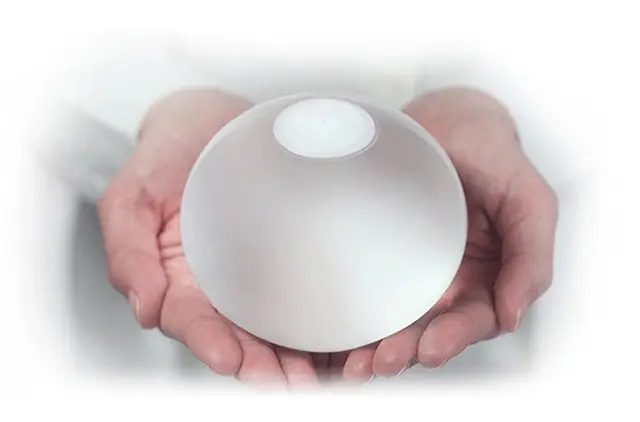



 Weight Doctors® GLP-1 pharmacotherapyMedication-based, no procedure3–12 months · from €599
Medically supervised pharmacotherapy with regular progress monitoring – with no procedure at all.
No procedure

Mon–Fri 8 am–8 pm · Sat 9 am–3 pm
How the gastric balloon works, which versions there are, which balloon suits whom, how treatment and nutrition proceed – and what matters after removal.

 Medically reviewed byDr. med. Hans Werner SudholtSpecialist in internal medicineLast updated:
The worldwide increase in overweight and obesity is one of the greatest health challenges of our time. Current research shows that this development is closely linked to economic progress – mainly through changed eating habits and less through reduced physical activity (McGrosky et al., 2025).
Against this background, minimally invasive treatments such as the gastric balloon are gaining importance.
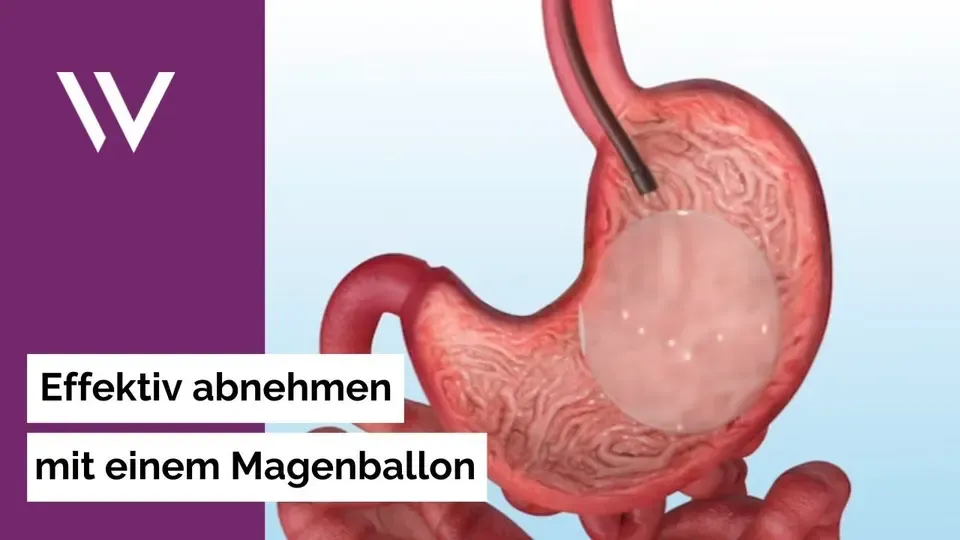
A gastric balloon is a medical device that temporarily reduces the stomach – a stomach reduction without surgery. Once inserted, the balloon made of soft silicone takes up about 30–35% of the stomach volume. This can have several effects:

| Balloon | Duration | Recommended BMI | Weight-loss goal |
|---|---|---|---|
| Allurion gastric balloon | 3–4 months | 26–29 | up to 10 kg |
| Balloon for 6 months | 6 months | 26–35 | up to 20 kg |
| Balloon for 12 months | 12 months | 26–40 | up to 30 kg |
| Adjustable balloon | 12 months | from 26 | more than 30 kg |
Values as on our gastric balloon page. Results vary from person to person.
Depending on BMI and personal weight-loss goal, current treatment recommendations give the following guide values – which balloon suits you, we always clarify in the consultation:
Before treatment there is a detailed medical history and physical examination, a gastroscopy to rule out contraindications, a nutrition analysis with joint goal-setting and a conversation about the different options.
The first week is the greatest challenge:
Current research shows interesting links between economic development and obesity: not a lack of exercise but above all higher calorie intake – especially through highly processed foods – drives the increase in obesity. This is exactly where the gastric balloon comes in:
At Weight Doctors® this includes the Weight Doctors® App with smart scales and your personal 360° coach – more under Weight Doctors® 360°.
The gastric balloon is a self-pay service; private health insurers decide case by case. So that treatment is accessible to many, you can pay in instalments – financing via medipay is possible. You can find the current prices and instalments for the Allurion gastric balloon, balloon for 6 months and balloon for 12 months on the gastric balloon page and under Paying in instalments. The exact conditions depend on your personal situation.
During the wearing period this includes monthly check-ups, regular weight checks, adapted nutrition plans and, where needed, psychological support.
After removal, studies show that 72% of patients can maintain their reduced weight 12 months later. What helps with this:
The gastric balloon can be an evidence-based, safe and effective method of weight reduction. Which variant suits you depends on BMI, weight-loss goal and your wishes. What is decisive for long-term success is the willingness to change your lifestyle permanently. Detailed advice from experienced obesity specialists is essential to find the right solution.
Source: McGrosky, A. et al. (2025). Energy expenditure and obesity across the economic spectrum. PNAS, 122(29), e2420902122. doi.org
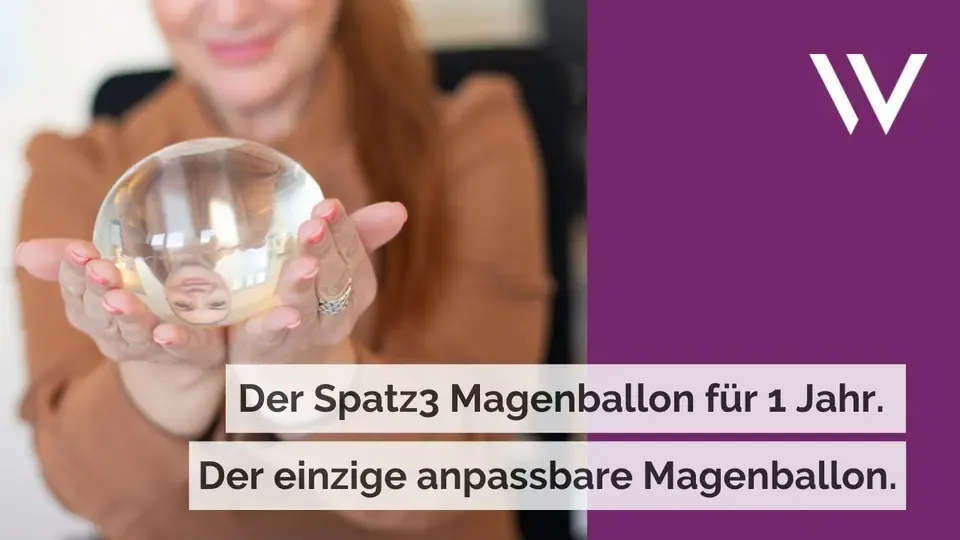
Your question isn’t listed? Your specialist will take time for it during the consultation.
The insertion itself is painless thanks to sedation. The first 3–4 days afterwards are demanding, though: most people have nausea, cramps and a strong feeling of fullness. This is normal and part of the adjustment; the symptoms can be eased well with medication. After about a week most people have got used to the balloon and are fully able to work again.
This varies very much from person to person and depends on many factors. Most weight loss typically happens in the first 2–3 months. Important: the gastric balloon is an aid – success depends largely on your cooperation and on changing your habits. You will find guide values for each balloon in the table above.
The saline solution in the balloon is dyed blue. If it leaks, urine turns blue-green – a warning sign, in which case contact us immediately. Balloons with an anchor system cannot migrate into the intestine even when completely deflated; they remain in the stomach and are removed endoscopically.
After the adjustment phase, yes – but in considerably smaller portions (100–150 g per meal). Important are: chewing very thoroughly (20–30 times per bite), eating slowly (20–30 minutes per meal), separating eating and drinking (30 minutes apart), no fizzy drinks and few very fatty or heavily spiced foods.
Not necessarily. The key lies in permanent behavioural change during the wearing period: smaller portions become a habit, the feeling of fullness is relearned, a healthier choice becomes natural. Follow-up care is decisive for this.
No, there are clear contraindications: pregnancy or breastfeeding, active stomach ulcers or severe reflux disease, previous operations on the stomach or oesophagus, chronic inflammatory bowel diseases, severe mental illness such as depression or eating disorders, alcohol or drug dependence, regular use of blood-thinning medication and – as a relative contraindication – a BMI under 27 or over 50. A thorough preliminary examination with gastroscopy is therefore compulsory.
No, the gastric balloon is a self-pay service; private health insurers decide case by case. You can pay for the treatment in instalments via medipay – more under Paying in instalments.
The gastric balloon is a one-off procedure without daily medication, works mechanically, is time-limited (4–12 months), has no side effects throughout the body and works immediately. GLP-1 therapy is injected weekly, works hormonally on appetite and metabolism, has to be used long-term, can have side effects throughout the body, and after stopping many people regain weight. Modern treatment concepts sometimes combine both routes.
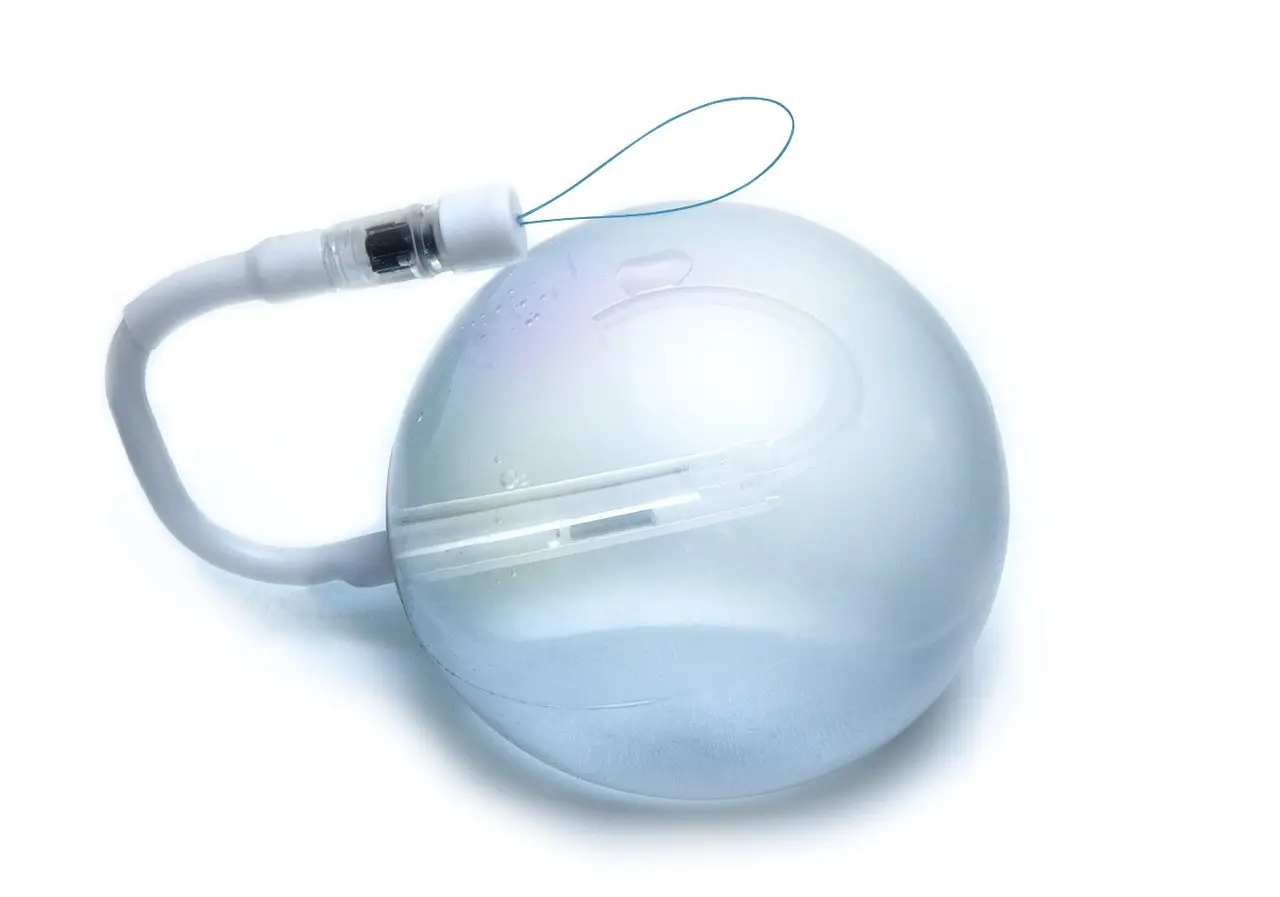
A 2025 meta-analysis of almost 5,000 people treated evaluates how effective and safe the adjustable Spatz3 gastric balloon is – and what its adjustable fill volume offers.
4 min

How sensible is it to combine the new weight-loss medications with the proven gastric balloon? A conversation with Weight Doctors® Managing Director Brigitta Lahode and one of our specialists in gastroenterology.
6 min

A helper that reminds you when you are full: how the gastric balloon works, which four versions there are and what to expect in the first few days.
6 min
* For patients with German statutory health insurance: if the medical indication is established in line with the DGAV guidelines, reimbursement may be possible.
New treatments, dates such as our webinars and knowledge about losing weight – straight to your inbox. You can unsubscribe at any time with one click.
The first step is a conversation: choose your treatment, location and appointment online here – consultation on site, by video or by phone.
No matching treatment found. Select “Still undecided?” in one of the areas and we will call you.
* For patients with German statutory health insurance: if the medical indication is established in line with the DGAV guidelines, reimbursement may be possible.
Prefer to call? 0800 84 84 777Mon–Fri 8 am–8 pm · Sat 9 am–3 pm
Weight Doctors® at 23 locations in 6 countries23 locations
Which location is closest to you?
Which location is closest to you?
Germany
 Austria
 Netherlands
 United Kingdom
 South Africa
 Namibia
Mira
Digital assistant from Weight Doctors®
With AI · Guidance, not medical advice. Privacy
Weight Doctors® GLP-1 pharmacotherapyMedication-based, no procedure3–12 months · from €599Medically supervised pharmacotherapy with regular progress monitoring – with no procedure at all.
No procedure
 Weight Doctors® hydroGMAEndoscopic, no incisionsapprox. 30 min · on request
Losing weight without medication: lowering the hunger hormone endoscopically – no surgery, no incisions. On its own or combined with an endo sleeve.
Long-lastingNew
 Weight Doctors® GASTRIC BALLOONTemporary, also swallowable6 or 12 months · from €3,490
A temporary companion for 6 or 12 months – also swallowable, with no endoscopy at all.
No surgery
 Weight Doctors SLEEVE®Endoscopic, permanent30–60 min · from €5,500
Permanent stomach reduction without conventional surgery – endoscopic, outpatient, without scars.
No surgeryHealth insurance cover also possible*
 Weight Doctors BARIATRICS®Surgical, minimally invasive1–3 nights · from €2,500
Gastric bypass or gastric sleeve surgery for higher BMIs, incl. private medical preliminary examination and aftercare.
With surgeryHealth insurance cover also possible*
 Weight Doctors® RESHAPEAfter weight lossindividual · from €1,950
Post-bariatric body contouring after successful weight loss.
After weight lossHealth insurance cover also possible*
 Weight Doctors® REVISIONCorrective procedure after weight-loss surgeryindividual · from €900
Corrective procedure when earlier weight-loss surgery has not brought the desired success.
With surgeryHealth insurance cover also possible*
 Weight Doctors® 360°Nutrition coachingper session · from €65
Nutrition coaching and support in everyday life – in person, by video and in the app.
No procedure
 Weight Doctors® MEMBERSHIPThe foundation of every therapy
Medical oversight, app, scales, 3D Bodyscan and aftercare – the foundation of every Weight Doctors® therapy.
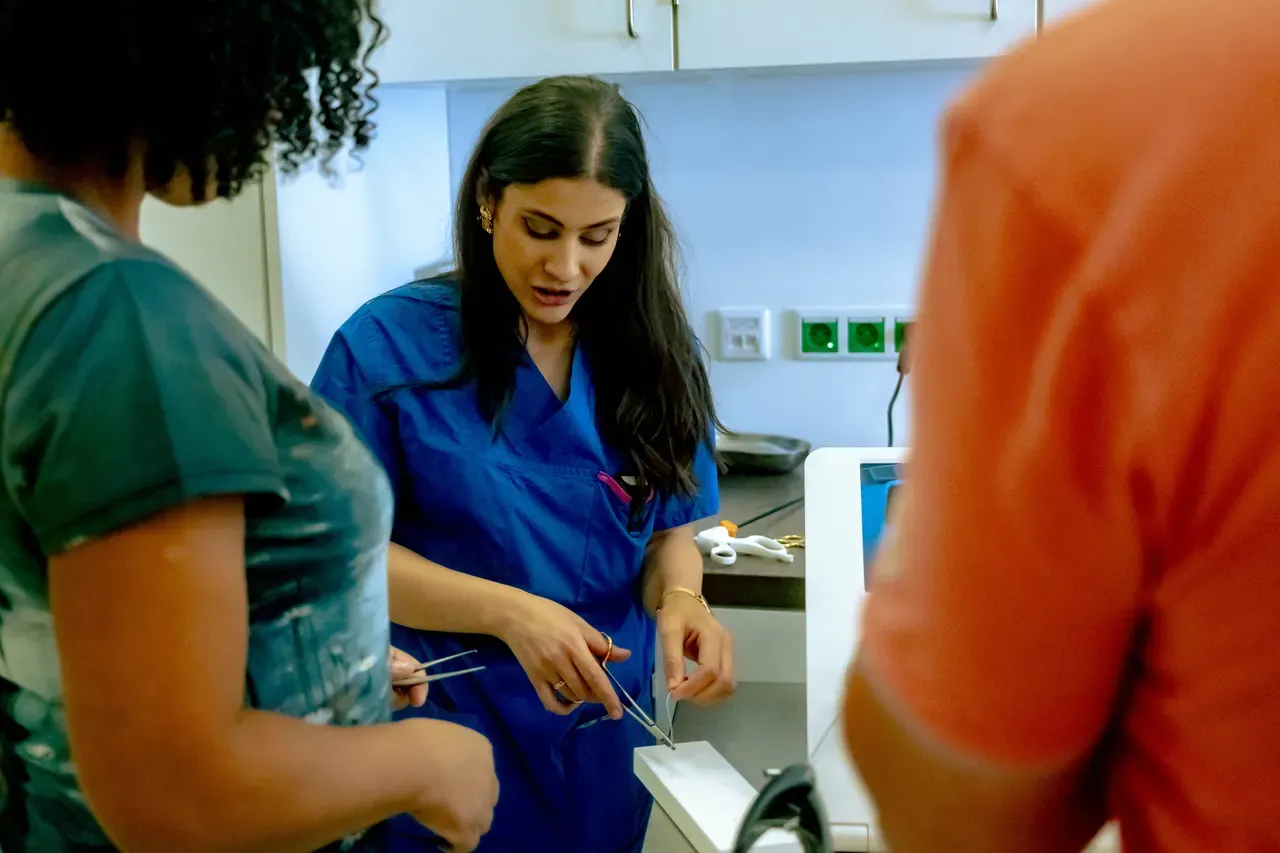 Weight Doctors® lipoedema surgeryLosing weight with a fat distribution disorder1.5–3 hours · from €950
In lipoedema, fatty tissue increases abnormally on the legs or arms – with consultation and lipoedema surgery.
LipoedemaHealth insurance cover also possible*
* For patients with German statutory health insurance: if the medical indication is established in line with the DGAV guidelines, reimbursement may be possible.