How sleeve gastrectomy can affect hunger and satiety
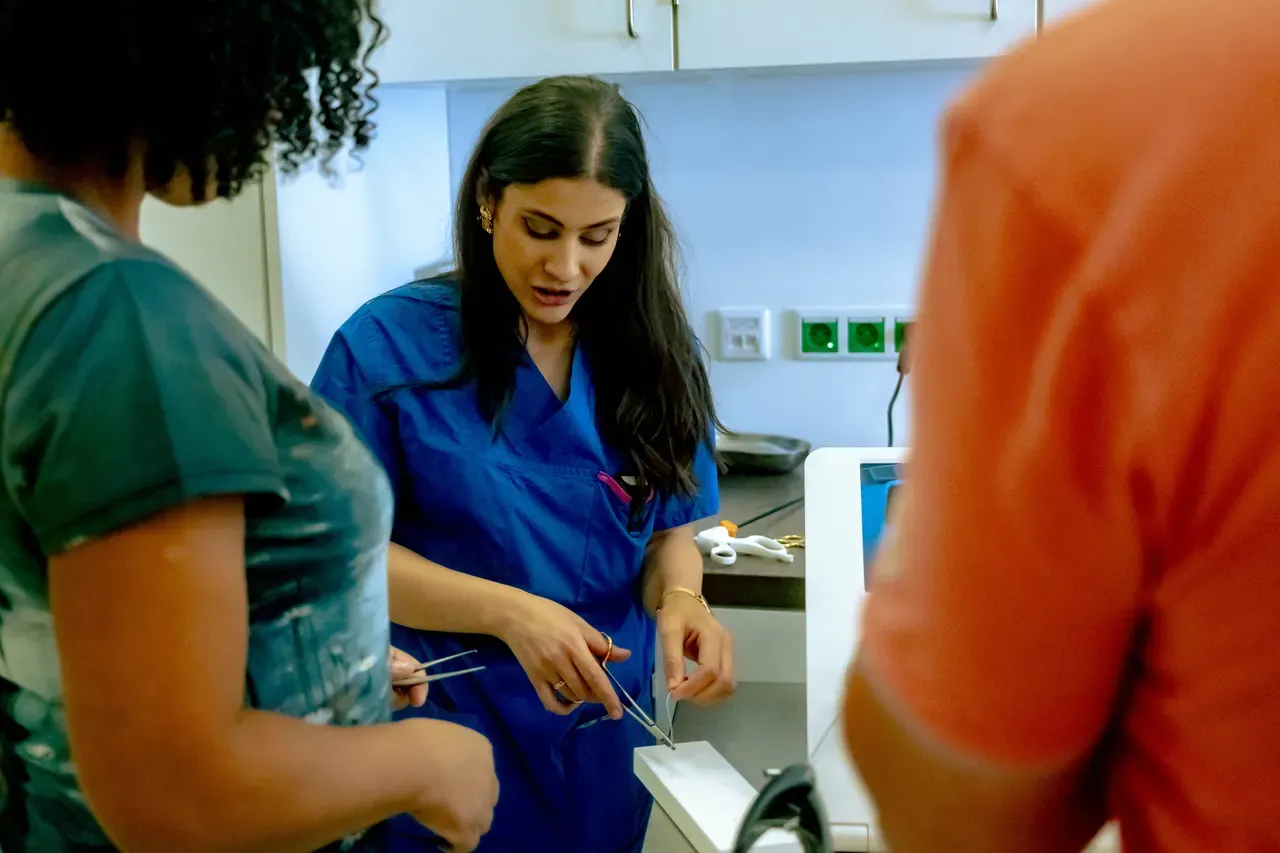
Gastric sleeve surgery is aimed at people with severe obesity. At Weight Doctors® Düsseldorf, the focus is not only on the procedure itself, but on a structured overall strategy: careful suitability assessment, preparation through the multimodal programme (MMK), keyhole surgery and aftercare for your new everyday life.
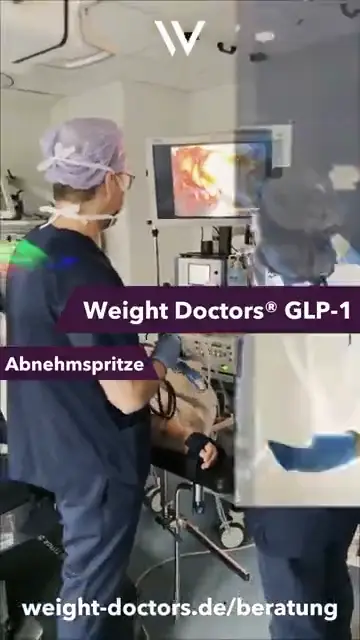
In vertical sleeve gastrectomy (LSG), the surgeon shapes the stomach laparoscopically into a tube-shaped remaining stomach: through small access points, the surgeon introduces a camera and instruments, prepares the stomach along a defined line and permanently removes the larger part. What remains is about 150–200 ml, roughly as much as a small banana.
The effect does not rest only on less fitting in, however. Among other things, ghrelin is produced in the removed part of the stomach – a hormone that can intensify hunger signals. After the operation, ghrelin production often falls, and many people report less intense hunger. At the same time, more satiety hormones such as GLP-1 and peptide YY can be released – meals feel sufficient sooner, and the metabolism can respond more favourably to weight loss.
Even so, the operation remains an invasive procedure with long-term consequences: the stomach cannot be restored to its original state. Before you decide, we therefore check whether benefits, risks, alternatives and your personal circumstances fit together. Technique, results and the comparison with extended sleeve and bypass are explained on the main page Gastric sleeve surgery.


 GermanyYour location
 AustriaYour location
 NederlandYour location
 United KingdomYour location
 South AfricaYour location
 InternationalYour location

























































 Namibia